
Visit Lalibela – Ethiopia

When you think of a place that effortlessly blends history, spirituality, and architectural brilliance, Lalibela in Ethiopia is bound to come to mind. Nestled in the heart of the Ethiopian highlands, this UNESCO World Heritage site is not just a destination; it’s a journey into the soul of a nation. Imagine stepping into a realm where ancient traditions live and breathe, where the echoes of centuries past resonate through the air. Lalibela is renowned for its fascinating rock-hewn churches, each carved directly from the earth, showcasing the incredible vision and craftsmanship of its creators.
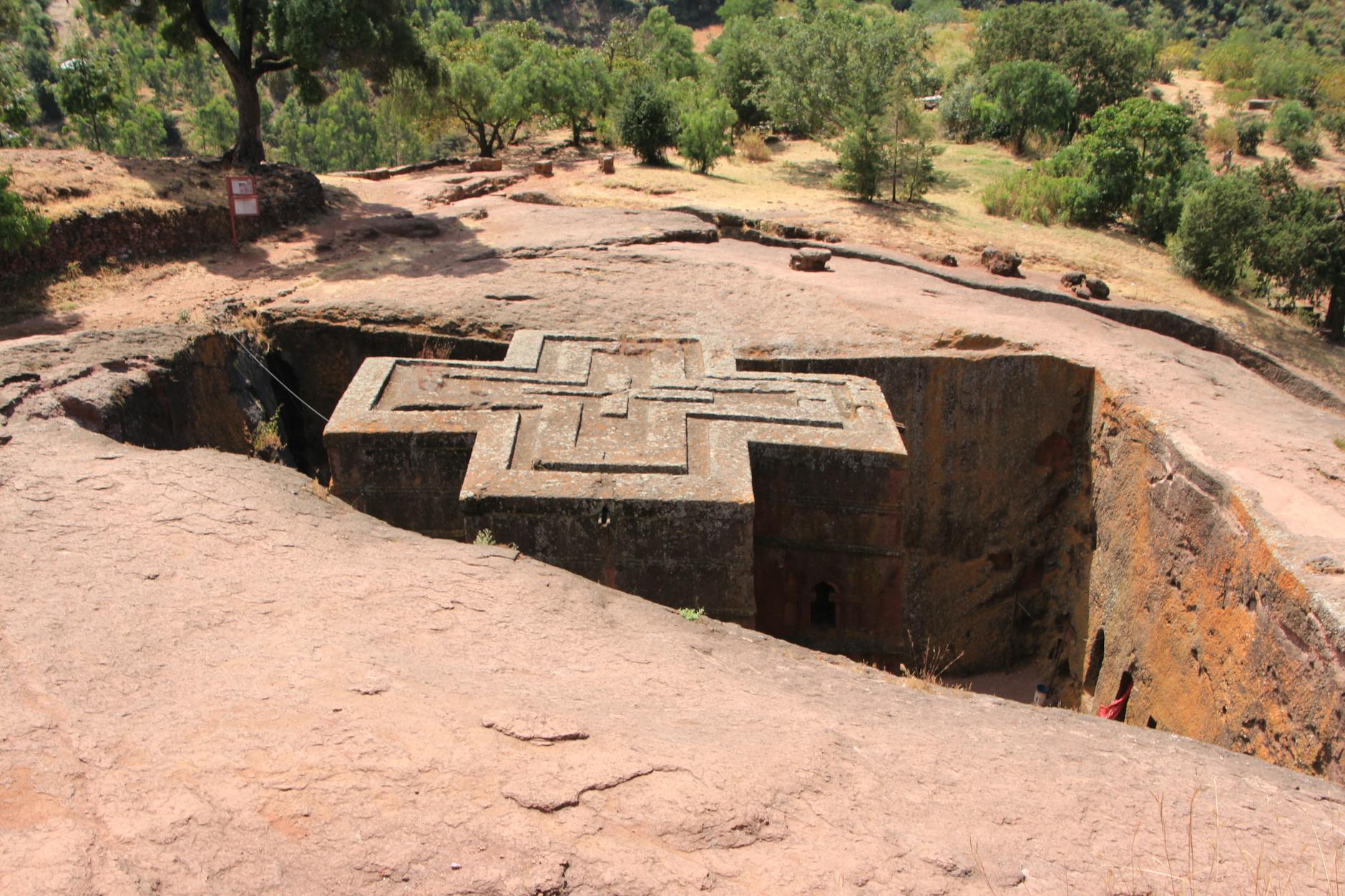
As you wander through this remarkable site, you can’t help but feel a sense of wonder. Have you ever experienced a place that seems to pulse with the energy of its history? Lalibela offers that and more. The churches, such as the iconic Church of St. George, are not merely structures; they are living testaments to Ethiopia’s rich cultural heritage and the deep faith of its people. Pilgrims from around the world flock here, weaving their stories into the fabric of this sacred land.
So, why should Lalibela be on your travel list? The answer is simple: it’s a place where every corner tells a story, where spirituality meets artistry, and where the past is always present. If you’re ready to explore a destination that captivates the heart and ignites the imagination, look no further than Lalibela. It’s not just a visit; it’s an experience that will stay with you long after you’ve left.
Historical Significance
Lalibela is a place where history whispers through the ancient stones, dating back to the 12th century. Imagine stepping into a time machine, where every corner tells a story of faith and resilience. The vision of King Lalibela was nothing short of extraordinary; he sought to create a ‘New Jerusalem’ in Ethiopia, a haven for pilgrims unable to journey to the Holy Land. This ambition birthed a series of remarkable rock-hewn churches, each carved from solid rock, showcasing not only architectural brilliance but also deep spiritual significance.
These churches serve as a pilgrimage site for Ethiopian Orthodox Christians, drawing thousands of visitors each year. The significance of Lalibela extends beyond its physical structures; it is a symbol of Ethiopian identity and faith. The UNESCO World Heritage site designation is a testament to its cultural importance. Here, faith and history intertwine, creating a tapestry of devotion that is both captivating and humbling.
To give you a clearer picture of Lalibela’s historical context, consider the following key points:
- 12th Century Origins: Lalibela was established during a time of religious fervour, reflecting the rise of Christianity in Ethiopia.
- King Lalibela’s Vision: The king’s dream was to replicate the sacred sites of Jerusalem, making spirituality accessible for his people.
- Architectural Innovation: The unique construction techniques used to carve the churches from rock demonstrate both ingenuity and devotion.
- Continued Pilgrimage: The churches remain a vital pilgrimage destination, reflecting the enduring faith of the Ethiopian Orthodox Church.
As you explore Lalibela, you’ll find that each church has its own story, imbued with legends and traditions that have been passed down through generations. It’s not just a visit; it’s an immersive journey into the heart of Ethiopian spirituality and history. So, are you ready to uncover the layers of this remarkable destination?
Architectural Marvels
The rock-hewn churches of Lalibela are nothing short of architectural wonders. Carved directly from the living rock, these magnificent structures showcase the incredible ingenuity and dedication of their creators. Imagine a time when tools were rudimentary, yet the vision of King Lalibela propelled artisans to transform solid rock into places of worship. Each church, with its unique design and intricate details, stands as a testament to the spiritual devotion and cultural heritage of Ethiopia.
As you wander through the complex, you can’t help but feel a sense of awe. The churches are not just buildings; they are living monuments that echo centuries of history and faith. For instance, the Church of St. George, with its cross-shaped layout, is one of the most iconic. It is said that the construction of such a masterpiece required not only exceptional skill but also a divine inspiration. The way light filters through the openings, casting ethereal shadows, creates a spiritual ambience that enchants every visitor.
Moreover, the construction techniques employed are fascinating. The builders used a combination of chiselling and careful planning, with some churches taking decades to complete. This remarkable feat is highlighted in the following table:
| Church Name | Estimated Completion | Architectural Style |
|---|---|---|
| St. George | 12th Century | Rock-Hewn |
| St. Mary | 12th Century | Rock-Hewn |
| St. Michael | 13th Century | Rock-Hewn |
These churches are not merely architectural feats; they serve as pilgrimage sites for thousands of Ethiopian Orthodox Christians. Each year, during major religious festivals, the faithful flock to Lalibela, transforming the area into a vibrant tapestry of devotion and celebration. The intertwining of faith and architecture in Lalibela is a perfect example of how cultural identity is expressed through monumental structures.
In summary, the rock-hewn churches of Lalibela are a celebration of faith, artistry, and history. They invite you to explore not just their physical beauty, but also the profound stories and traditions they embody. So, are you ready to experience this architectural marvel and immerse yourself in the rich tapestry of Ethiopian culture?


