Zambia

This article explores the rich culture, diverse wildlife, and vibrant cities of Zambia, along with its economic development and tourism potential. Discover what makes this southern African nation unique and captivating.
Zambia boasts a rich tapestry of cultures and traditions, with over 70 ethnic groups. Each group contributes unique customs, languages, and festivals that reflect the nation’s heritage and social fabric. From the lively Kuomboka festival of the Lozi people to the colourful Ngoma Lungundu celebrations, these events showcase the heart and soul of Zambian life. It’s like stepping into a vibrant painting where every brush stroke tells a story. The warmth and hospitality of the Zambian people make every visitor feel at home, inviting you to join in the festivities and experience their way of life.
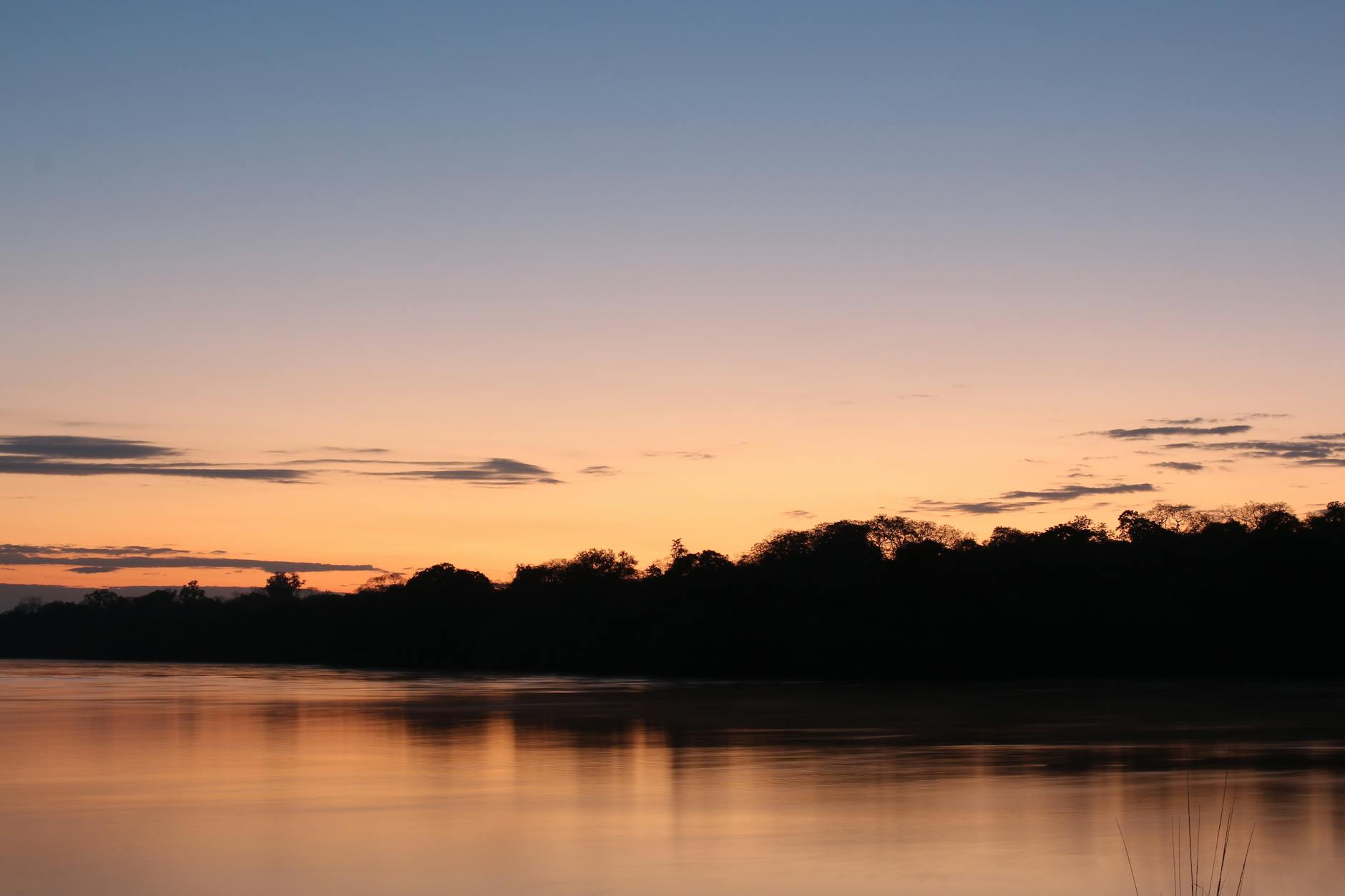
Home to breathtaking national parks and an abundance of wildlife, Zambia is a haven for nature enthusiasts. Imagine wandering through the South Luangwa National Park, where elephants roam freely, and the sunsets paint the sky in hues of orange and purple. Conservation efforts play a crucial role in preserving its unique ecosystems and promoting sustainable tourism. The commitment to protecting wildlife is evident in initiatives like anti-poaching campaigns and community-based conservation projects. These efforts ensure that future generations can enjoy the same awe-inspiring experiences that Zambia offers today.
As Zambia continues to grow, its economic landscape is evolving. The country is rich in natural resources, particularly copper, which plays a significant role in its economy. However, there’s a burgeoning focus on diversifying sectors like agriculture and tourism. Imagine a land where local farmers cultivate organic produce while tourists flock to experience the stunning landscapes and wildlife. This dual focus not only boosts the economy but also creates jobs and fosters community development. With a commitment to sustainable practices, Zambia is on the path to becoming a shining example of how to balance growth and environmental stewardship.
Zambia’s tourism potential is immense, with its majestic landscapes, rich wildlife, and cultural heritage drawing visitors from around the globe. The iconic Victoria Falls, one of the Seven Natural Wonders of the World, is just the tip of the iceberg. Tourists can embark on thrilling safaris, explore vibrant local markets, or relax by the shores of Lake Tanganyika. Each experience is like a chapter in a captivating novel, waiting to be discovered. As the tourism sector grows, so does the opportunity for local communities to thrive, ensuring that the beauty of Zambia is shared and preserved for generations to come.
Culture and Traditions
This article explores the rich culture, diverse wildlife, and vibrant cities of Zambia, along with its economic development and tourism potential. Discover what makes this southern African nation unique and captivating.
Zambia boasts a rich tapestry of cultures and traditions, with over 70 ethnic groups contributing to its vibrant social fabric. Each group brings forth unique customs, languages, and festivals that reflect the nation’s heritage. For instance, the Bemba people are known for their intricate traditional dances, while the Tonga community celebrates the Harvest Festival, showcasing their deep connection to agriculture.
The diversity in Zambian culture is not just a matter of numbers; it’s a celebration of life. Festivals are a significant part of Zambian traditions, often featuring colourful attire, lively music, and delicious local cuisine. Imagine the sounds of drums echoing through the air as people gather to dance and share stories—this is the essence of Zambian culture.
Furthermore, language plays a crucial role in maintaining these traditions. While English is the official language, many Zambians speak local languages such as Nyanja and Lozi, which enrich everyday conversations and cultural expressions. This linguistic diversity not only enhances communication but also fosters a sense of belonging among the different ethnic groups.
In summary, Zambia’s culture is a vibrant blend of traditions that reflect its history and the spirit of its people. The warmth and hospitality of the Zambian people make every visitor feel at home, inviting them to partake in the festivities and experience the richness of their heritage.
Wildlife and Conservation
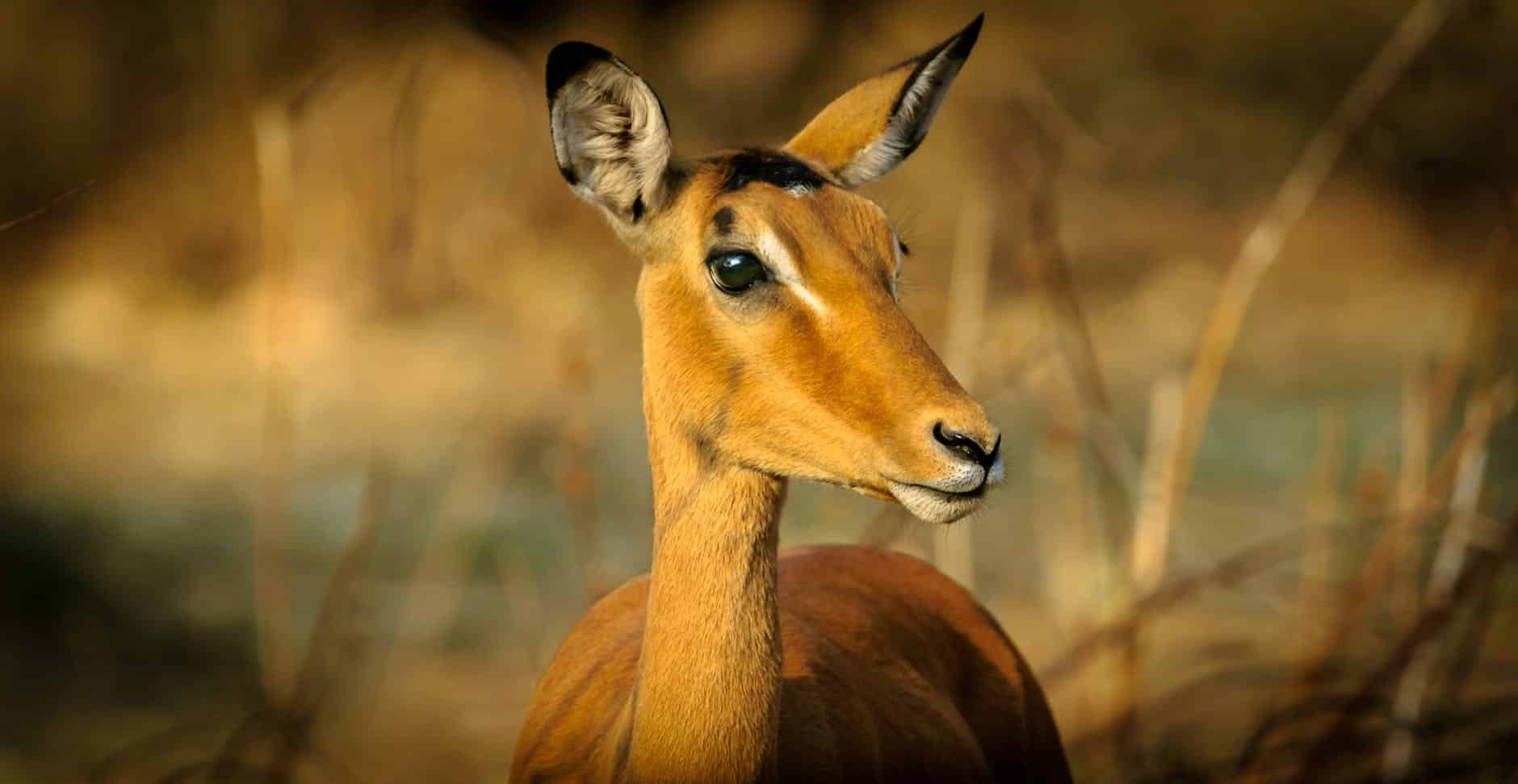
Zambia is a true gem of southern Africa, renowned for its stunning landscapes and diverse wildlife. With over 20 national parks, including the famous South Luangwa National Park and Lower Zambezi National Park, the country serves as a sanctuary for a remarkable variety of species. From majestic elephants roaming the plains to the elusive leopards hidden in the thickets, Zambia’s wildlife is both captivating and vital for the ecosystem.
But it’s not just about the animals; conservation efforts are at the heart of Zambia’s approach to preserving its natural heritage. The government, alongside various NGOs, has implemented numerous initiatives aimed at protecting endangered species and their habitats. These efforts include:
- Anti-poaching measures: Stricter laws and increased patrols help to combat poaching, which threatens many iconic species.
- Community involvement: Local communities are engaged in conservation practices, ensuring that they benefit from wildlife tourism.
- Education programs: Raising awareness about the importance of biodiversity is crucial for future generations.
Tourism plays a significant role in these conservation efforts. By attracting visitors who are eager to experience Zambia’s wildlife, the country generates revenue that can be reinvested into conservation programs. This creates a sustainable loop where both the environment and the economy can thrive together. Imagine a world where your travel not only enriches your life but also helps to protect the planet—this is the essence of visiting Zambia.
In conclusion, Zambia’s commitment to wildlife conservation is not just a duty; it is a passion that intertwines with the very identity of the nation. As you explore its breathtaking parks, you become part of a larger story—one that celebrates the beauty of nature while striving to protect it for generations to come.