
Benin: A Journey Through Time and Culture

Join me as I embark on a captivating journey through the vibrant tapestry of Benin, a country that pulses with rich history, diverse culture, and culinary delights that beckon every traveller seeking an authentic experience. If you’ve ever felt the thrill of wandering through uncharted territories, Benin is a destination that will ignite your wanderlust.
Take a Moliceiro Boat Ride Through the Canals
Gliding through the serene canals of Ganvié, often dubbed the “Venice of Africa,” I felt as if time stood still. The vibrant stilted homes reflected in the water create a postcard-perfect moment. As I drifted along, the sounds of laughter and music from the nearby houses painted a picture of daily life that was both enchanting and inviting.
Lose Yourself in the City Centre
Wandering through the bustling streets of Cotonou, I was enveloped in a symphony of sounds, aromas, and colours. Each corner revealed a new slice of life, from the vibrant markets overflowing with spices to street performers showcasing their talents. The air was thick with the scent of grilled corn and spicy stews that lingered in my memory long after I left.
Indulge in Local Delicacies
Sampling local cuisine was a delightful adventure. Forget pastel de nata—here, the real star is ovos moles. These sweet, creamy delights burst with flavour, reminiscent of childhood treats that warm the heart. The rich flavours of pounded yam paired with a spicy peanut sauce lingered on my palate, showcasing the essence of Beninese hospitality.
When to Go
The ideal time to visit Benin is during the dry season from November to February. Plan for at least a week to fully immerse yourself in the culture and beauty. Remember to respect local customs and embrace the spirit of adventure! If you’ve ever dreamed of discovering a hidden gem, Benin is calling your name.
Take a Moliceiro Boat Ride Through the Canals
As I drifted through the tranquil canals of Ganvié, often referred to as the “Venice of Africa,” I was enveloped in an atmosphere that felt both timeless and enchanting. The sun cast a golden hue over the stilted homes, their vibrant colours dancing upon the water’s surface. Have you ever felt like you were in a dream? That’s how I felt as I glided along, the gentle lapping of the water creating a soothing melody that harmonised with the laughter of children playing nearby.
The Moliceiro boats, with their graceful curves and vibrant decorations, were not just vessels; they were storytellers of a culture deeply intertwined with the water. Each stroke of the paddle seemed to whisper tales of the fishermen who have navigated these waters for generations. I couldn’t help but wonder about their lives, their traditions, and the secrets these canals held. As I passed by, I caught glimpses of daily life: women washing clothes, children splashing joyfully, and the occasional fisherman casting his net.
But it wasn’t just the scenery that captivated me; it was the aromas wafting through the air. The scent of grilled fish mingled with the sweet fragrance of tropical flowers, creating an intoxicating blend that made my mouth water. I yearned to dive into the local cuisine, to taste the dishes that celebrate this unique culture.
If you’ve ever found yourself yearning for an escape, Ganvié offers a perfect retreat. I recommend visiting during the dry season, from November to February, when the weather is pleasantly warm and the canals are bustling with life. Plan to spend at least a week immersing yourself in this extraordinary place, and don’t forget to embrace the local customs. You’ll leave with not just memories, but a piece of Ganvié forever etched in your heart.

Lose Yourself in the City Centre
As I strolled through the vibrant streets of Cotonou, I found myself immersed in a kaleidoscope of sounds, scents, and sights that danced around me. Each step felt like a heartbeat of the city, pulsating with life and energy. Have you ever wandered through a place so alive that it feels like the very air is infused with stories waiting to be told?
The bustling markets were a feast for the senses. Vendors called out to passersby, their voices mingling with the sizzling sounds of street food being prepared. I could almost taste the spicy grilled fish wafting through the air, its smoky aroma teasing my appetite. The vibrant colours of the textiles, ranging from deep indigos to bright yellows, caught my eye, each piece telling its own tale of tradition and craftsmanship.
As I navigated the narrow streets, I stumbled upon a local artist painting a mural that depicted the rich history of Benin. The brush strokes seemed to breathe life into the walls, capturing the essence of the culture. I paused to admire the intricate details, wondering about the stories behind each character portrayed. If you’ve ever felt that pull towards art, you’ll understand the connection I felt in that moment.
But what truly captivated me were the street performers. They transformed the streets into stages, showcasing their talents with a flair that was both captivating and infectious. I couldn’t help but join in the laughter and applause, feeling a sense of community that transcended language and borders.
In these moments, I realised that Cotonou isn’t just a city; it’s a tapestry woven from the threads of its people, their stories, and their vibrant culture. So, if you’re planning your adventure, consider losing yourself in the heart of this city. You’ll discover that every corner holds a new experience, and every encounter is a chance to connect with the soul of Benin.
Practical Tips: The best time to visit Cotonou is during the dry season from November to February. A week is ideal to truly immerse yourself in the local culture. Remember to respect local customs and embrace the adventure that awaits!
Discover the Art of Voodoo
As I wandered through the vibrant streets of Ouidah, I was drawn to a world steeped in mystique and ancient rituals—the art of Voodoo. This isn’t merely a religion; it’s a living tapestry of culture and history that pulsates with energy. Have you ever felt that electric thrill when you step into a place where the air is thick with stories? That’s exactly how I felt amidst the sacred sites dedicated to Voodoo.
The moment I entered, the vibrant murals and intricately carved statues seemed to whisper secrets of the past. Each brushstroke and chisel mark told tales of deities, ancestors, and the profound connection between the spiritual and physical worlds. I could almost hear the distant echoes of drums, calling to the spirits that dwell within these sacred spaces. It was like stepping into a living museum, where every corner held a new revelation.
One of the highlights was witnessing a traditional ceremony. The rhythmic beats of the drums resonated deep within me, igniting a sense of belonging. I found myself captivated by the dancers, their movements telling stories of resilience and celebration. If you’ve ever been curious about the spiritual practices that shape cultures, this is a must-see experience.
As I explored further, I discovered the Python Temple, a site revered for its sacred snakes. Here, locals demonstrate their deep respect for these creatures, coiling gently around altars. It’s a reminder of the harmony between nature and spirituality that is central to Voodoo beliefs.
For anyone looking to immerse themselves in this rich culture, I recommend visiting during the dry season, from November to February. Plan for at least a week to fully experience the depth of Ouidah’s offerings. Remember to approach with an open heart and mind, embracing the warmth of the locals and their traditions. Trust me, this journey will leave an indelible mark on your soul.
Visit the Python Temple
As I approached the Python Temple, a wave of curiosity washed over me, mingling with a hint of trepidation. Have you ever felt that exhilarating mix of excitement and fear? The moment I stepped through the gates, I was enveloped in an atmosphere that felt almost sacred. The gentle snakes, revered by the locals, coiled gracefully around the altars, their scales glistening like jewels in the soft light. It was a sight that demanded respect and admiration.
The temple is more than just a place; it is a testament to the deep cultural beliefs that permeate the region. Locals believe these serpents embody the spirits of their ancestors, a notion that gave me pause for reflection. As I stood there, I could almost hear the whispers of ancient stories echoing through the air, tales of reverence and connection to nature.
What struck me most was the tranquility that enveloped the temple grounds. The gentle rustling of leaves and the distant sound of chanting created a serene backdrop, allowing me to immerse myself fully in the experience. I found myself captivated, watching as visitors approached the snakes with a mix of awe and respect. It was a reminder of the bond between humans and nature, a bond that is often forgotten in our fast-paced lives.
If you’re an adventurer at heart, this temple is a must-see on your journey through Benin. But remember, approach with an open mind and a respectful heart. The Python Temple is not just a tourist attraction; it’s a place where spirituality and culture intertwine, leaving you with memories that linger long after your visit.
For those planning a trip, I recommend visiting in the early morning when the light is soft, and the atmosphere is still peaceful. Take your time to absorb the surroundings and perhaps even engage with the local guides, who can share stories that breathe life into this enchanting place.
Explore the Door of No Return
Standing at the Door of No Return was an experience that stirred my very soul. As I gazed out at the vast ocean, the air thick with the weight of countless stories, I felt a profound connection to those who had crossed this threshold, embarking on journeys fraught with uncertainty. How many dreams were dashed in that moment? What hopes were left behind? Each wave crashing against the shore seemed to whisper their tales, echoing the pain of separation and the resilience of the human spirit.
In this sacred space, I was reminded of the rich tapestry of history that defines Benin. The echoes of the past reverberated around me, inviting reflection on the resilience and strength of those who came before. This was not just a passageway; it was a reminder of the enduring legacy of a people who have faced unimaginable challenges.
As I stood there, I couldn’t help but think of the beauty that exists alongside this history. The vibrant culture, the tantalising cuisine, and the warmth of the locals create a rich experience that is both humbling and uplifting. If you’ve ever felt the weight of history, you’ll understand the profound sense of connection that this place evokes.
In this moment of reflection, I realised that visiting the Door of No Return is more than just a stop on a travel itinerary; it’s a chance to connect with the past, honour the journeys of others, and celebrate the resilience of humanity. As I left, I carried with me not just memories of the place, but a deeper understanding of the stories that shape our world.
When planning your visit, aim for the dry season from November to February. Take your time—at least a week—to truly immerse yourself in Benin’s vibrant culture and rich history. Remember to approach this experience with respect and an open heart.
Indulge in Local Delicacies
As I ventured deeper into the heart of Benin, I found myself irresistibly drawn to the **local cuisine**, a vibrant tapestry of flavours that tells the story of the land and its people. The moment I took my first bite of a **spicy pounded yam** drizzled with a velvety peanut sauce, I was transported to a world where **culinary artistry** meets **cultural heritage**. Can you imagine the warmth of the sun on your skin as you savour every mouthful, the **richness** of the dish lingering long after? This was not just a meal; it was an experience, a heartfelt embrace from the locals who take immense pride in their food.
**Wandering through the bustling markets**, I was captivated by the enticing aromas wafting through the air. Vendors proudly displayed their colourful wares—**fresh vegetables**, **spices**, and **handcrafted delicacies**—each telling a story of its own. I couldn’t resist the allure of trying everything, from the **crunchy fried plantains** to the **savoury stews** simmering in large pots. The textures and tastes were a delightful contrast, each bite a reminder of the **rich culinary heritage** that defines Beninese culture.
But let’s not forget about the **sweet treats**! If you’ve ever felt the joy of indulging in a dessert that transports you back to childhood, then you’ll understand my fascination with **ovos moles**. These creamy, sweet delights are a local treasure, reminiscent of **warm family gatherings** and laughter. Each bite is a little explosion of flavour, a perfect ending to an unforgettable meal.
So, if you’re planning your journey, remember to **allow your taste buds to guide you**. The best time to visit is during the dry season from November to February, when the markets are alive with activity, and the flavours are at their peak. Immerse yourself for at least a week to truly appreciate the **culinary wonders** that await you in Benin.
Don’t Leave Without Trying Ovos Moles
As I took my first bite of ovos moles, a delightful wave of sweetness washed over me, instantly transporting me back to sun-drenched afternoons of my childhood. The creamy texture, reminiscent of the finest custard, enveloped my senses in a comforting embrace. Have you ever tasted something that felt like a warm hug? This treat, a local gem from the heart of Benin, is a celebration of culinary artistry that I simply couldn’t resist.
Each morsel burst with flavours that danced playfully on my palate, a harmonious blend of sugar and egg yolk, delicately encased in a thin, almost ethereal shell. It reminded me of the childhood sweets my grandmother used to make, filled with love and laughter during family gatherings. The ovos moles were not just a dessert; they were a portal to cherished memories and a testament to the rich culinary heritage of this vibrant country.
As I sat in a quaint café, the air thick with the scent of spices and freshly baked pastries, I couldn’t help but observe the lively chatter around me. Locals shared stories, laughter, and, of course, their love for this exquisite delicacy. If you’ve ever felt the warmth of a community gathered around a table, you’ll understand the magic of this moment.
Forget the pastel de nata—here, the real star is undoubtedly ovos moles. They are not merely a dessert; they are a cultural experience, a sweet embrace of tradition and flavour that you simply cannot miss. So, when planning your trip, make sure to indulge in these treasures, and let them weave their magic into your own travel narrative.
Travel Tip: The best time to savour these delights is during the dry season, from November to February. Plan for at least a week to explore the flavours and culture of Benin fully. And remember, every bite of ovos moles is a step closer to understanding the heart of this beautiful country.
Experience the Market Culture
As I strolled through the vibrant markets of Cotonou, I was immediately enveloped in a sensory wonderland. The rich colours of handcrafted textiles danced before my eyes, each piece telling its own story of tradition and artistry. Have you ever felt the thrill of discovering something truly unique? Here, every stall was a treasure trove, from intricate beadwork to stunning batik fabrics that seemed to capture the essence of Benin’s spirit.
The air was alive with the aroma of spices and sizzling street food, beckoning me to taste local delicacies. I couldn’t resist the temptation of akara, those delightful bean cakes, golden and crispy on the outside, soft and fluffy within. Each bite was a harmonious blend of flavours that lingered long after I had savoured them. And let’s not forget the famous pounded yam, served with a rich, spicy sauce that was a true reflection of the local palate.
As I wandered deeper into the market, the lively banter between vendors and customers created an atmosphere brimming with warmth and laughter. It felt as though I had stepped into a living tapestry, woven with the threads of daily life. The locals, with their welcoming smiles, invited me to join in their conversations, sharing stories and laughter that transcended language. If you’ve ever felt the magic of connection while travelling, you’ll understand how these moments filled my heart with joy.
So, when you plan your visit, make sure to set aside time to lose yourself in this bustling market culture. It’s not just about shopping; it’s about immersing yourself in the vibrancy of life here. And remember, the best souvenirs are often the memories and connections you make along the way.
When to Go: The ideal time to visit Benin is during the dry season from November to February. Plan for at least a week to fully immerse yourself in this captivating culture and its myriad experiences.
Embrace the Rhythm of Life
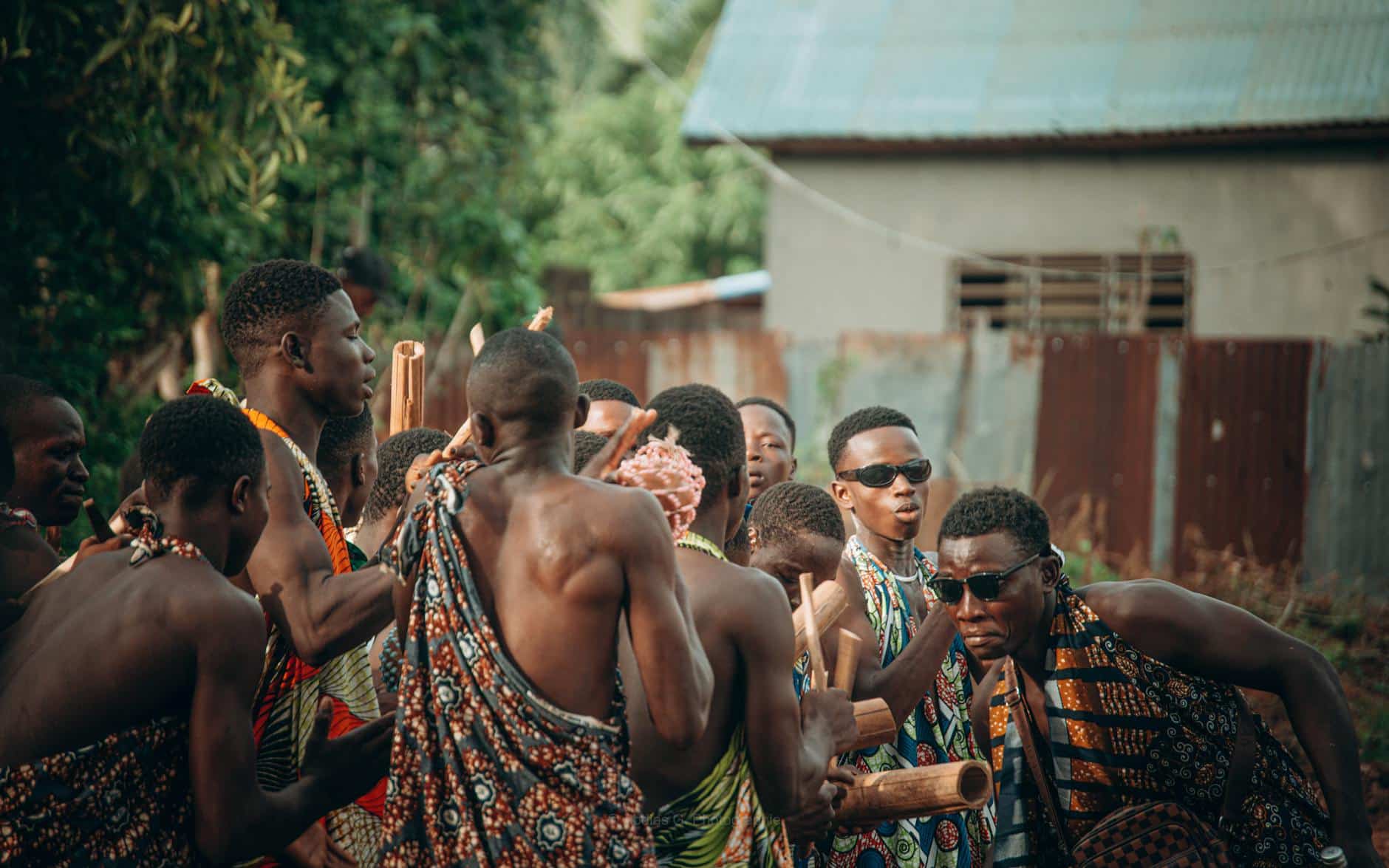
As I wandered through the vibrant streets of Benin, I was immediately captivated by the rhythmic beats of local music that filled the air. It was as if the very essence of the culture was inviting me to join in a celebration of life, community, and joy. Have you ever felt that magnetic pull of music that makes you want to dance, even if you’re a little out of rhythm? That was my experience here, where the melodies intertwined with the laughter of the locals, creating a symphony that resonated deep within my heart.
The energy of the crowd was infectious, and before I knew it, I found myself swept into a circle of dancers, each movement telling a story of tradition and heritage. The vibrant colours of their clothing swirled around me like a painter’s palette, each hue representing a different aspect of their rich culture. I could almost taste the excitement in the air, a fusion of spices and sweet aromas wafting from nearby food stalls.
As I twirled and laughed with the locals, I realised that this was not just a dance; it was an expression of unity. The beats echoed the heartbeat of the community, a reminder of the strength found in togetherness. Have you ever experienced a moment where you felt completely at home, even in a foreign land? That’s how I felt, embraced by the warmth of their hospitality.
In those moments, I understood that the rhythm of life in Benin is a celebration of resilience and joy, a reminder to cherish every beat and every shared laugh. If you’re seeking an experience that fills your heart and soul, then Benin is calling your name. Don’t miss the chance to immerse yourself in this vibrant culture and dance your way into the heart of this beautiful country.
When to Go: The best time to visit Benin is during the dry season, from November to February. Plan for at least a week to fully embrace the culture and make sure to respect local customs and traditions.
When to Go: The ideal time to visit Benin is during the dry season from November to February. Plan for at least a week to fully immerse yourself in the culture and beauty. Keep in mind to respect local customs and embrace the spirit of adventure!
Benin: A Journey Through Time and Culture
As I stepped foot in Benin, I was immediately enveloped by an intoxicating mix of history and culture that beckoned me to explore deeper. Have you ever arrived somewhere and felt like you had entered a living tapestry of stories? That’s exactly how I felt in this vibrant country, where every street corner whispered tales of its rich heritage.
Take a Moliceiro Boat Ride Through the Canals
Gliding through the serene canals of Ganvié, often dubbed the “Venice of Africa,” I felt as if time stood still. The vibrant stilted homes reflected beautifully in the water, creating a postcard-perfect moment that I will cherish forever. The gentle sway of the boat, combined with the sounds of laughter from the locals, made for an experience that was both calming and exhilarating.
Lose Yourself in the City Centre
Strolling through the bustling streets of Cotonou, I was enveloped in a symphony of sounds, aromas, and colours. Each corner revealed a new slice of life—markets bursting with fresh produce, street performers captivating the crowd, and the tantalising scent of local delicacies wafting through the air. Have you ever felt so alive in a place that you never wanted to leave?
Don’t Leave Without Trying Ovos Moles
Sampling local cuisine was a delightful adventure. Forget pastel de nata—here, the real star is ovos moles. As I savoured these sweet, creamy treats, I was transported back to childhood memories of warm family gatherings. Each bite was a delightful explosion of flavours, reminding me of the warmth and hospitality that Beninese culture is known for.
When planning your visit, the ideal time to explore Benin is during the dry season from November to February. I recommend spending at least a week to fully immerse yourself in the culture and beauty of this enchanting country. Remember to respect local customs and embrace the spirit of adventure that awaits you!