Gabon

Gabon is a country that often flies under the radar, yet it is a place bursting with life, culture, and history. Nestled on the west coast of Central Africa, it is a land where dense rainforests meet the Atlantic Ocean, creating a stunning backdrop for its diverse ecosystems. With a population that reflects a rich tapestry of ethnic groups, Gabon is home to over 40 distinct tribes, each contributing to the nation’s vibrant cultural heritage. From the rhythmic beats of traditional music to the intricate patterns of local art, every aspect of Gabonese life tells a story of resilience and unity.
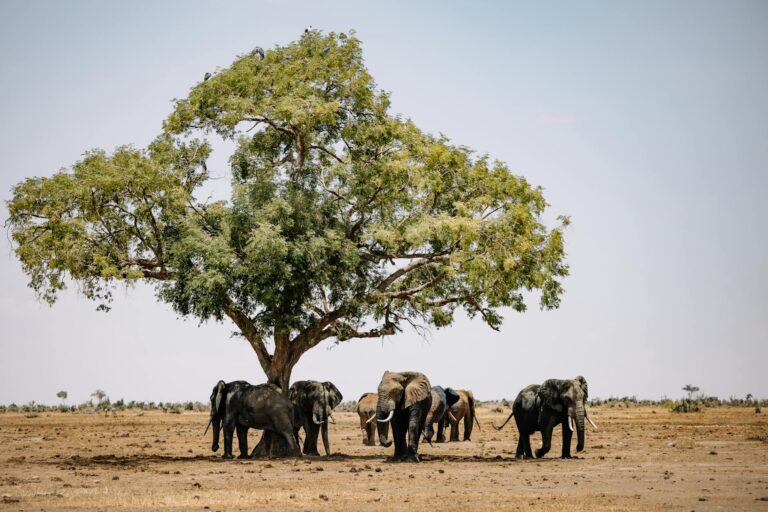
But Gabon is not just about its people; it also boasts some of the most breathtaking natural wonders on the planet. The country is renowned for its abundant wildlife and lush landscapes, offering a sanctuary for numerous species, many of which are found nowhere else on Earth. Did you know that Gabon is one of the few places where you can encounter the rare forest elephant? This remarkable creature, along with other unique wildlife, thrives in the protected areas of Gabon, thanks to the nation’s commitment to conservation.
As we delve deeper into Gabon’s cultural and natural treasures, we uncover the challenges it faces today. Balancing economic development with environmental preservation is no small feat, and Gabon stands at a crossroads. Will it continue to protect its invaluable resources while fostering growth? The answer lies in the hands of its people and their ability to embrace both tradition and progress.
Cultural Heritage of Gabon
Gabon is a vibrant tapestry of traditions, languages, and art forms, each thread woven by its diverse ethnic groups. With over 40 different tribes, including the Fang, Nzebi, and Punu, the cultural landscape is as rich as the lush rainforests that blanket the nation. These groups contribute to a collective identity that is both unique and unified, showcasing a blend of ancient practices and contemporary influences.
The significance of Gabon’s cultural heritage cannot be overstated. It is not merely a collection of customs; it serves as a foundation for national identity. Traditional music and dance, for instance, play a crucial role in community gatherings and celebrations, often telling stories of the past while reinforcing social bonds. The rhythmic beats of the Ngoma drum resonate through the air, inviting everyone to join in the celebration of life and history.
Moreover, Gabon’s art is a vibrant reflection of its cultural diversity. The country is renowned for its wood carvings, masks, and sculptures, which often hold deep spiritual significance. These artistic expressions are not just for aesthetic pleasure; they are intertwined with the beliefs and values of the people. For example, masks are used in rituals to connect with ancestors and spirits, highlighting the importance of ancestral reverence in Gabonese culture.
In addition to the tangible aspects of culture, language plays a pivotal role in shaping Gabon’s identity. French is the official language, but numerous indigenous languages thrive, each adding to the rich linguistic landscape. This multilingualism not only preserves the unique heritage of various groups but also fosters a sense of belonging and pride among the Gabonese people.
As Gabon navigates the challenges of modernisation and globalisation, it is essential to cherish and protect this cultural heritage. It is a treasure that holds the key to understanding the nation’s past and present, offering insights into the values and aspirations of its people. By embracing their cultural roots, the Gabonese can continue to build a future that honours their rich history while looking forward to new possibilities.
Nature and Biodiversity
Gabon is often referred to as one of Africa’s last ecological frontiers, and for good reason. With its expansive rainforests, stunning landscapes, and a rich tapestry of wildlife, the country is a true paradise for nature lovers. Did you know that Gabon is home to over 600 species of birds and countless mammals, reptiles, and amphibians? This incredible diversity makes it a vital area for conservation efforts, as many of these species are endemic and face threats from habitat loss and climate change.
One of the most remarkable features of Gabon’s biodiversity is its national parks. The country boasts 13 national parks, which cover approximately 11% of its land area. These parks are not just protected areas; they are sanctuaries for wildlife and a testament to Gabon’s commitment to preserving its natural heritage. For instance, the Loango National Park is famous for its unique combination of coastal ecosystems, where elephants roam the beaches and marine turtles nest. It’s a place where you can witness nature’s beauty in its rawest form.
Moreover, Gabon’s rainforests are crucial in the fight against climate change. They act as carbon sinks, absorbing vast amounts of CO2 and helping to regulate the global climate. However, with increasing pressures from logging and agriculture, the sustainability of these ecosystems is at risk. Gabon is actively working on conservation projects to combat these challenges, including community-based initiatives that involve local populations in protecting their environment.
In conclusion, Gabon’s nature and biodiversity are not just national treasures; they are global assets. By investing in conservation and sustainable practices, Gabon aims to safeguard its unique ecosystems for future generations. So, the next time you think about biodiversity, remember Gabon—a country where nature reigns supreme and every corner holds a new adventure waiting to be explored.