
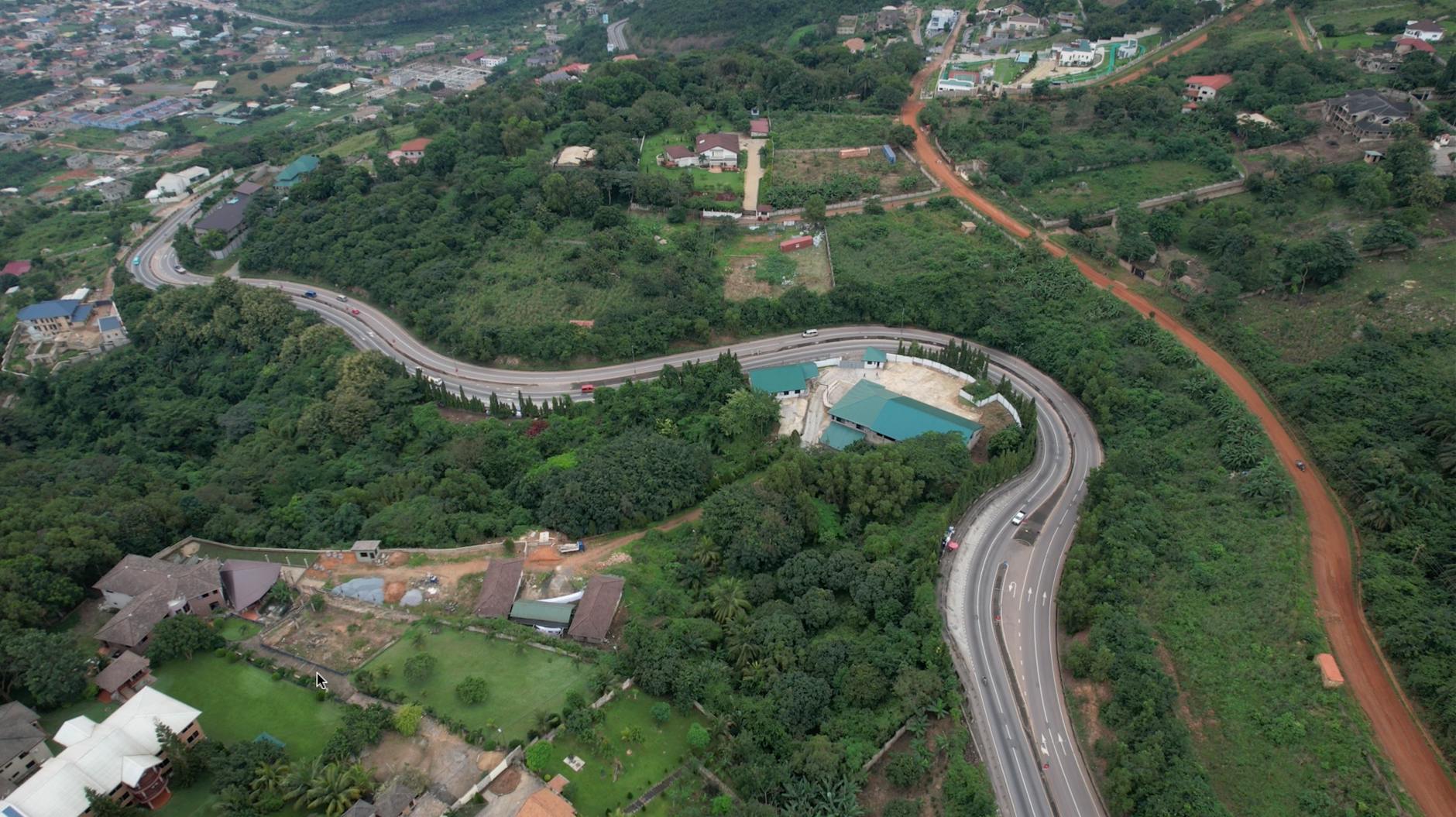
Ghana

Ghana, a jewel in the heart of West Africa, is a country that pulsates with life, colour, and history. With its rich tapestry of cultures, Ghana is not just a place on the map; it’s a vibrant melting pot of traditions and modernity. From the bustling markets of Accra to the serene shores of Cape Coast, every corner of Ghana tells a story. Have you ever wondered what makes a nation truly unique? In Ghana, it’s the fusion of its diverse ethnic groups that creates a cultural symphony, where each note resonates with the echoes of the past.
As you stroll through its lively streets, you’ll encounter a plethora of festivals that celebrate everything from harvests to historical events. The Durbar of Kings is a spectacular event showcasing the rich heritage of the Ashanti people, where vibrant colours and traditional drumming create an atmosphere of excitement and pride. But it’s not just about the festivities; Ghana’s cultural heritage is also reflected in its art, music, and dance, which are deeply intertwined with everyday life.
In terms of economic landscape, Ghana stands tall with its robust agricultural base and rich mineral resources, making it a significant player in the global market. The country is often referred to as the “Gold Coast” due to its historical gold exports, and today, it continues to thrive with cocoa and oil production. However, like any other nation, Ghana faces its own set of challenges, including infrastructure development and economic diversification. Yet, the opportunities for growth are boundless, and Ghana’s resilience shines through.
In summary, Ghana is more than just a destination; it’s an experience waiting to unfold. Whether you are drawn by its rich history, vibrant culture, or economic potential, there’s something in Ghana for everyone. So, why not explore the wonders of this West African gem?
Cultural Heritage of Ghana
Ghana is a tapestry woven from the threads of its rich and diverse cultural heritage. With over 100 ethnic groups, each contributing unique traditions, languages, and customs, the country’s cultural landscape is as vibrant as a bustling market on a sunny day. From the lively beats of traditional music to the intricate designs of local art, every aspect of Ghanaian culture tells a story that resonates with both locals and visitors alike.
One of the most captivating elements of Ghana’s culture is its festivals. These events are not just celebrations; they are a window into the soul of the nation. Take the Homowo Festival, for instance, which commemorates a historic famine and celebrates the harvest. During this festival, the streets come alive with colourful parades, traditional dances, and the aroma of delicious local dishes. It’s a time when communities come together, showcasing their unity and resilience.
Moreover, Ghana’s cultural heritage is reflected in its art and crafts. The country is renowned for its kente cloth, a vibrant textile that is not only a fashion statement but also a symbol of identity and pride. Each pattern and colour holds significant meaning, often representing proverbs or historical events. This art form is just one example of how Ghanaians express their history and values through creativity.
Furthermore, the significance of oral traditions cannot be overstated. Storytelling is an integral part of Ghanaian culture, where elders pass down tales of wisdom, history, and morality to younger generations. These stories are not merely entertainment; they serve as vital lessons that shape the community’s identity and values.
In essence, Ghana’s cultural heritage is a living, breathing entity that continues to evolve while staying deeply rooted in its history. It invites everyone to explore, appreciate, and celebrate the richness of humanity that it embodies.

Economic Landscape of Ghana
This article explores Ghana’s rich culture, history, and economic landscape, highlighting its significance in West Africa and its contributions to global heritage.
The economic landscape of Ghana is as dynamic as it is diverse, showcasing a blend of traditional and modern sectors that drive its growth. At the heart of Ghana’s economy lies its agricultural base, which employs a significant portion of the population and is a vital source of income for many families. Key crops such as cocoa, gold, and oil palm not only sustain local livelihoods but also position Ghana as a major player in the global market. Did you know that Ghana is one of the world’s leading producers of cocoa? This not only highlights the country’s agricultural prowess but also its role in the global supply chain.
In addition to agriculture, Ghana is rich in mineral resources, particularly gold, which has historically been a cornerstone of its economy. The mining sector has attracted considerable foreign investment, leading to advancements in technology and infrastructure. However, this wealth also brings challenges, such as environmental concerns and the need for sustainable practices to ensure that future generations can benefit from these resources.
Moreover, the growing service sector is transforming Ghana’s economic landscape. With the rise of technology and entrepreneurship, many Ghanaians are venturing into new business opportunities, from tech startups to tourism. This shift is not just creating jobs; it’s fostering a culture of innovation and resilience. For instance, the burgeoning eco-tourism industry is drawing attention to Ghana’s natural beauty and cultural heritage, encouraging both local and international visitors to explore its treasures.
To better understand Ghana’s economic position, here’s a summary of key sectors:
| Sector | Contribution to GDP | Key Products/Services |
|---|---|---|
| Agriculture | 20% | Cocoa, Oil Palm, Cashew |
| Mining | 10% | Gold, Bauxite, Diamonds |
| Services | 60% | Tourism, IT, Banking |
In conclusion, while Ghana’s economic landscape presents numerous opportunities, it also faces challenges that require careful navigation. The interplay between agriculture, mining, and services illustrates a nation in transition, striving to balance growth with sustainability. As Ghana continues to evolve, it remains a fascinating example of resilience and potential in the heart of West Africa.