India

India, a land of vibrant cultures and rich history, is a country that captivates the imagination of many. With its diverse landscapes ranging from the majestic Himalayas in the north to the serene beaches of Goa in the south, India offers a unique blend of natural beauty and cultural richness. Each corner of this vast nation tells a different story, echoing the voices of its ancient past while embracing the modern world. Have you ever wondered how a single country can host over 2,000 distinct ethnic groups and more than 1,600 spoken languages? It’s like a colourful mosaic, where every piece contributes to the overall beauty of the whole.
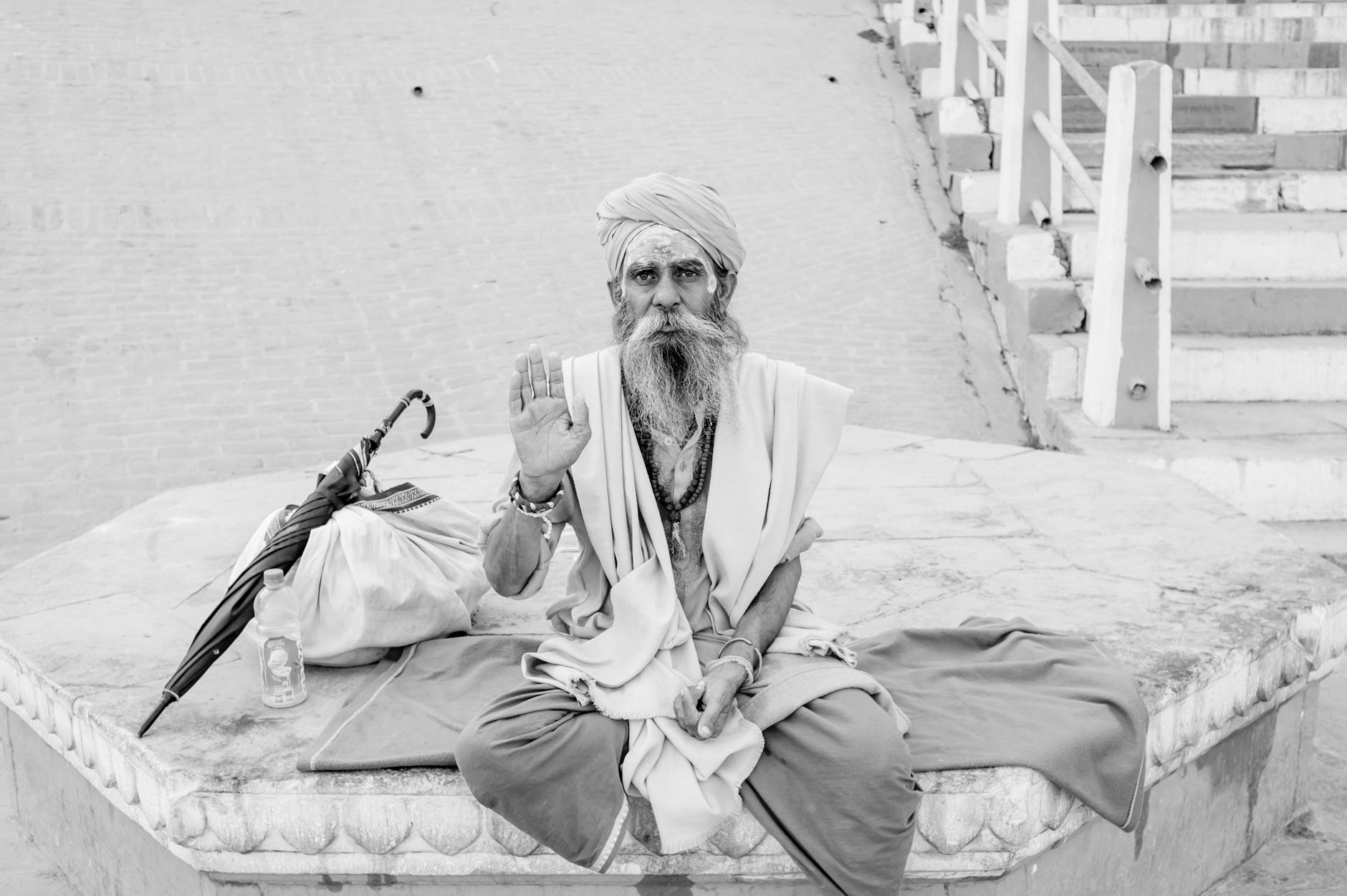
Throughout its history, India has been a cradle of civilisations, giving birth to some of the world’s oldest traditions and philosophies. From the spiritual teachings of Hinduism and Buddhism to the vibrant festivals that light up the skies, such as Diwali and Holi, the essence of Indian culture is deeply rooted in its spirituality and community. The warmth of Indian hospitality is legendary, where every guest is treated like family, a reflection of the country’s core values.
As we delve deeper into what makes India truly special, it becomes evident that its contributions to the world are immeasurable. From advancements in mathematics and science to the enchanting world of Bollywood, India continues to influence global culture and innovation. Whether it’s the mouth-watering cuisine that tantalises taste buds or the intricate art forms that showcase the country’s creativity, India is a treasure trove waiting to be explored.
Culture and Traditions
This article explores India’s rich cultural heritage, diverse geography, and significant contributions to the world. We will delve into its history, traditions, and modern developments that shape the nation today.
India’s culture is a vibrant tapestry woven from its multitude of languages, religions, and traditions. It’s like a grand festival that never ends, where every corner of the country bursts with colour and life. From the bustling streets of Mumbai to the serene backwaters of Kerala, the diversity is palpable. Festivals such as Diwali, Holi, and Eid are not just events; they are experiences that unite people in celebration, showcasing the warmth and hospitality that India is known for.
Art and music play a crucial role in the Indian way of life. Traditional forms like Bharatanatyam and Kathak dance, alongside classical music genres such as Hindustani and Carnatic, reflect the deep cultural roots of the nation. These art forms are not merely performances; they are stories told through movement and sound, echoing the rich history of the land.
Moreover, the culinary landscape of India is a feast for the senses. Each region boasts its own unique dishes, influenced by local ingredients and traditions. For instance, the spicy curries of the south contrast sharply with the rich, creamy gravies of the north. It’s as if every meal is a culinary journey, inviting you to explore the flavours of the country. Here’s a quick glance at some popular dishes:
| Region | Signature Dish |
|---|---|
| North India | Butter Chicken |
| South India | Dosa |
| East India | Machher Jhol |
| West India | Vada Pav |
In essence, India’s culture and traditions are a celebration of life. They remind us that despite our differences, there is a common thread that binds us together. Whether it’s through art, food, or festivals, every aspect of Indian culture invites you to partake in its beauty and richness. So, are you ready to dive into this enchanting world?
Geography and Diversity
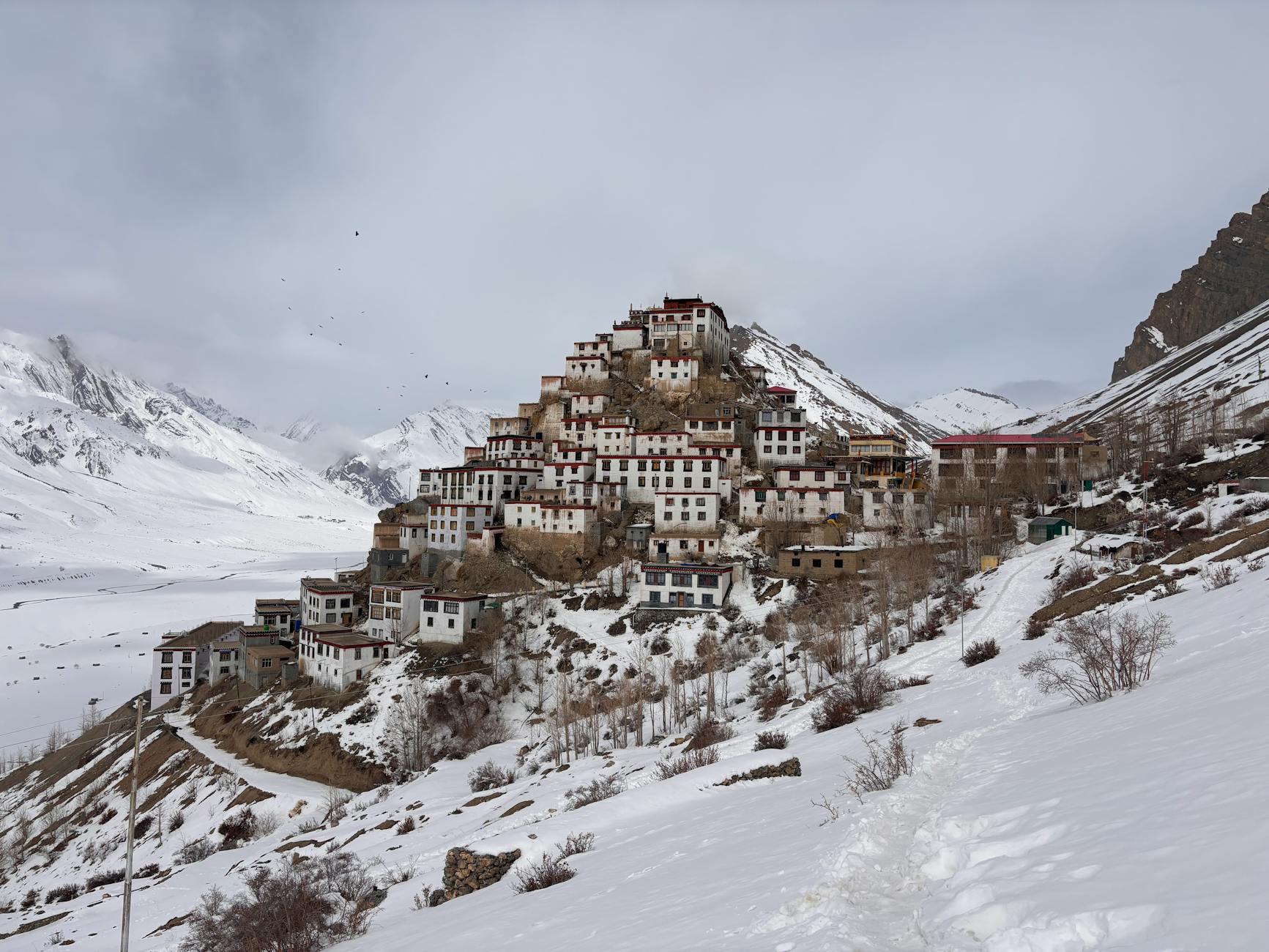
India’s geographical diversity is nothing short of extraordinary. Imagine a land where the majestic Himalayas kiss the sky, while the sun-drenched coastal plains bask in the warmth of the ocean. This contrast creates a stunning backdrop for a nation rich in ecosystems and climates. From the arid deserts of Rajasthan to the lush greenery of Kerala, each region boasts its own unique character and charm.
India is home to a plethora of ecosystems, each teeming with life. The country can be broadly divided into several geographical zones:
- Mountain Regions: The northern frontier, dominated by the Himalayas, is a haven for biodiversity, with species like the snow leopard and red panda calling it home.
- Plains: The fertile Indo-Gangetic Plain is the breadbasket of the nation, where agriculture thrives thanks to the abundant rivers.
- Deserts: The Thar Desert in the west presents a stark yet beautiful landscape, rich in culture and history.
- Coastal Areas: With over 7,500 km of coastline, India’s coastal regions are not only picturesque but also crucial for trade and fisheries.
- Forests: Covering about 24% of India’s land area, forests are vital for wildlife conservation and climate regulation.
Each of these regions contributes to India’s remarkable biodiversity, which includes a staggering variety of flora and fauna. This rich tapestry of life is not just a feast for the eyes but also plays a crucial role in maintaining the ecological balance. For instance, the Western Ghats, a UNESCO World Heritage site, is one of the world’s eight “hottest hotspots” of biological diversity, hosting thousands of species of plants, animals, and fungi, many of which are endemic.
Moreover, the geographical diversity has shaped the cultural practices and lifestyles of the people. Each region has developed its own traditions, cuisine, and festivals that reflect the unique characteristics of the land. For example, the vibrant festivals of Onam in Kerala and Diwali in the plains showcase how geography influences the way people celebrate life.
In conclusion, India’s geography is not merely a backdrop; it is the very essence of the nation’s identity. The interplay between its diverse landscapes and the cultures they nurture creates a dynamic and ever-evolving narrative. This is why exploring India’s geography is not just an academic pursuit, but a journey into the heart of what makes this country truly unique.