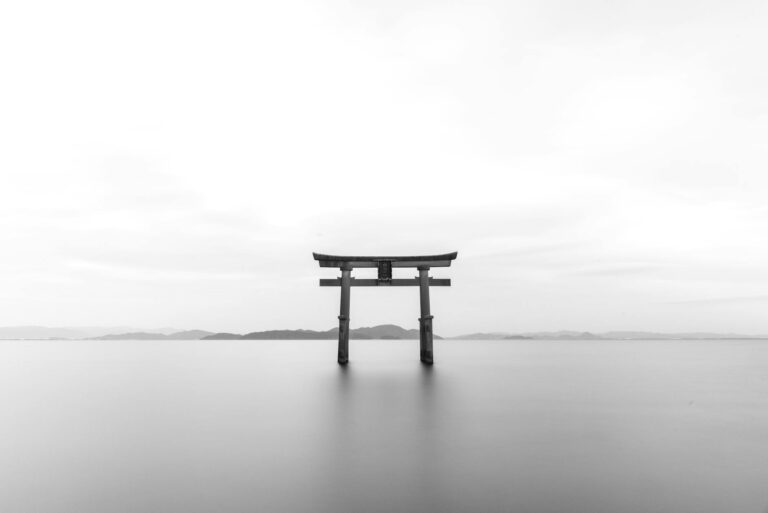

Japan

This article explores Japan’s rich culture, history, and modern advancements, highlighting its unique blend of tradition and innovation that captivates visitors and locals alike.
Japan’s cultural heritage is a tapestry of ancient traditions, art forms, and festivals that reflect its historical significance and societal values, offering insights into the nation’s identity. From the serene beauty of tea ceremonies to the vibrant energy of matsuri (festivals), every aspect of Japanese culture is steeped in meaning. For instance, the intricate art of calligraphy not only showcases aesthetic beauty but also embodies the philosophy of mindfulness and precision that permeates Japanese life. The celebration of seasonal festivals, such as Hanami (cherry blossom viewing), provides a wonderful opportunity for communities to come together, honour nature, and embrace the fleeting beauty of life.
Japan is renowned for its technological advancements and modern innovations, showcasing a dynamic society that balances cutting-edge development with respect for its cultural roots. Think about the dazzling skyline of Tokyo, where futuristic skyscrapers coexist with historic temples, creating a stunning visual contrast that tells the story of a nation in constant evolution. Japan leads the world in sectors like robotics and automotive engineering, with companies like Toyota and Sony pushing the boundaries of what’s possible. The commitment to innovation is evident in everyday life, from the convenience of high-speed trains to the integration of technology in traditional practices, such as the use of digital tools in ikebana (flower arranging).
| Aspect | Traditional Example | Modern Innovation |
|---|---|---|
| Cultural Practice | Tea Ceremony | Robot Baristas |
| Transportation | Rickshaw | Shinkansen (Bullet Train) |
| Entertainment | Kabuki Theatre | Virtual Reality Experiences |
Cultural Heritage
Japan’s is a vibrant tapestry woven from centuries of history, tradition, and artistry. It’s a land where the past and present coexist in a harmonious dance, offering visitors a glimpse into the nation’s soul. Imagine walking through ancient temples, where the air is thick with the scent of incense, and the sound of distant taiko drums fills your ears. Each festival, each art form, tells a story that transcends time, connecting generations in a way that is both profound and beautiful.
From the delicate brushstrokes of ink wash painting to the intricate patterns of kimono fabrics, Japan’s artistic expressions reflect a deep appreciation for nature and the ephemeral beauty of life. The annual Hanami festival, where cherry blossoms bloom and people gather to celebrate their fleeting beauty, is a perfect example of how the Japanese honour their cultural roots. This celebration is not just about the blossoms; it’s a reminder of the transient nature of life itself, encapsulating the essence of Mono no Aware—the awareness of impermanence.
Moreover, Japan’s rich history is celebrated through various traditional festivals (matsuri), each with its unique charm and significance. Here are a few noteworthy festivals:
- Gion Matsuri – Held in Kyoto, it features stunning floats and vibrant parades.
- Aoi Matsuri – Another Kyoto festival that dates back to the 7th century, showcasing ancient rituals.
- Tanabata – Celebrating the meeting of two stars, it involves writing wishes on colourful strips of paper.
In essence, Japan’s cultural heritage is not merely a relic of the past; it is a living, breathing entity that continues to evolve. It invites everyone to partake in its stories, whether through the ceremonial tea that embodies grace and respect or the martial arts that reflect discipline and honour. This unique blend of tradition and modernity is what makes Japan an endlessly captivating destination for both locals and visitors alike.

Modern Innovations
Japan is a dazzling beacon of modern innovation, where the past and future collide in the most spectacular ways. Imagine walking through the bustling streets of Tokyo, surrounded by towering skyscrapers that seem to touch the sky, while just a stone’s throw away, ancient temples whisper tales of a time long gone. This is the essence of Japan – a country that embraces cutting-edge technology without losing sight of its rich cultural heritage.
One of the most remarkable aspects of Japan’s modern landscape is its technological advancements. From robotics to artificial intelligence, Japan leads the world in developing technologies that enhance everyday life. For instance, the famous Shinkansen, or bullet train, exemplifies this innovation, offering lightning-fast travel across the country with impeccable punctuality. It’s not just a mode of transport; it’s a symbol of Japan’s commitment to excellence and efficiency.
Moreover, Japan’s cities are a playground for tech enthusiasts. In districts like Akihabara, you can find the latest gadgets, from smart home devices to the newest gaming consoles. The fusion of technology and culture is evident in the way people interact with their surroundings; vending machines serve everything from hot meals to high-tech gadgets, showcasing a society that thrives on convenience and innovation.
However, it’s not just about high-tech gadgets and speedy trains. Japan also excels in sustainable innovations, striving to create a greener future. The integration of renewable energy sources, such as solar and wind power, into daily life is becoming increasingly common. Many cities are implementing eco-friendly practices, such as recycling initiatives and smart waste management systems, aiming to reduce their carbon footprint.
In summary, Japan’s modern innovations are a testament to its ability to marry tradition with progress. Whether it’s through its advancements in technology or its commitment to sustainability, Japan continues to captivate the world with its unique approach to modernity. So, the next time you think of Japan, remember that it’s not just a land of cherry blossoms and sushi; it’s a vibrant tapestry of innovation waiting to be explored.