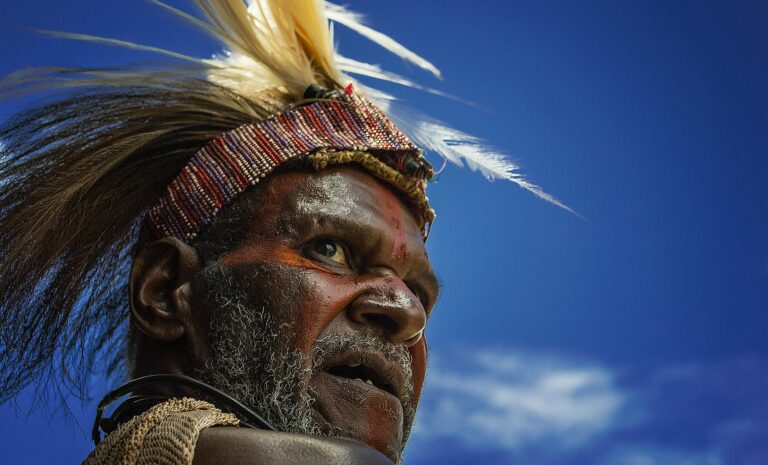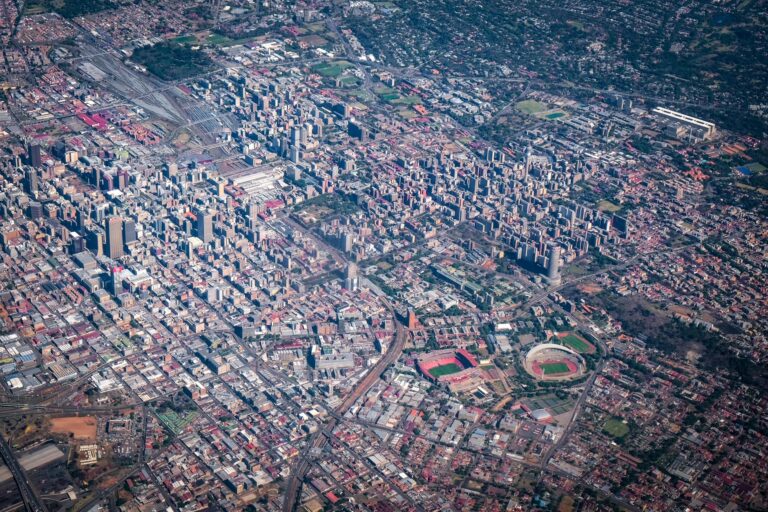

Kumasi – Ghana

As I stepped into the vibrant city of Kumasi, I was instantly enveloped by its rich tapestry of culture and colour. The air buzzed with the sounds of laughter and conversation, while the aroma of spices wafted through the streets, inviting me to explore further. If you’ve ever felt the thrill of discovering a new place, you will understand my excitement.
Take a Stroll Through the Kejetia Market
The Kejetia Market is a sensory overload that captures the essence of Kumasi. Here, the vibrant colours of textiles compete for your attention, while the scents of spices mingle in the air. As I wandered through the stalls, I found myself mesmerised by the intricate patterns of Kente cloth, each piece telling a unique story. Did you know that every thread woven into Kente carries the history of the Ashanti people?
Taste the Flavours of Ghana
Sampling local delicacies was a highlight of my visit. From the spicy, crispy kelewele (fried plantains) to the rich and flavourful jollof rice, every bite was a celebration of Ghanaian cuisine. The textures were delightful, and the flavours danced on my palate. Forget your usual comfort food; here, the real star is the fufu, a dish that is a cultural experience in itself.
Final Thoughts
If you’re considering a trip to Kumasi, I recommend planning for at least three days. The best time to visit is during the dry season, from November to March, when the weather is pleasantly warm. Remember to engage with the locals; their stories and warmth will enrich your experience. Kumasi is not just a destination; it’s a memory waiting to be made.
Take a Stroll Through the Kejetia Market
As I stepped into the vibrant heart of Kumasi, the Kejetia Market enveloped me in a whirlwind of sights, sounds, and scents. Have you ever wandered into a place that feels like a living tapestry? Here, the air was thick with the aromatic blend of spices—cinnamon, ginger, and the unmistakable heat of pepper. It was as if each stall was a portal to another world, inviting exploration and discovery.
Imagine the brilliant colours of textiles cascading over the stalls, each piece a unique expression of the rich Ashanti culture. I found myself mesmerised by the intricate patterns of Kente cloth, a true testament to the skill and artistry of local weavers. Each thread tells a story, and as I ran my fingers across the fabric, I could almost feel the history woven into its very essence. Have you ever touched something that felt like a piece of history?
The market is not just a feast for the eyes but a culinary adventure as well. I couldn’t resist sampling the local delicacies—spicy kelewele, those golden fried plantains, were a revelation, their sweetness perfectly balanced by the fiery kick of spices. And let’s not forget the jollof rice, bursting with flavours that dance on your palate, a dish that demands to be savoured slowly. If you’ve ever wondered what true Ghanaian hospitality tastes like, this is it.
As I navigated through the bustling aisles, I was captivated not just by the goods on offer but by the lively exchanges between vendors and customers. The laughter, the bargaining, the sheer joy of community—it was infectious. If you’re planning a visit, allow yourself to get lost in this vibrant maze. Trust me, the memories you’ll create here will linger long after you leave.
To truly soak in the essence of Kumasi, I recommend spending at least a day at the market. The best time to visit is early in the morning when the stalls are brimming with fresh produce and the energy is palpable. So, pack your bags, and prepare for an adventure that tantalises all your senses!

Discover the Ashanti Cultural Heritage
Kumasi is a city that pulses with the essence of Ashanti culture, offering a vibrant canvas where history and modern life intertwine seamlessly. As I wandered through its lively streets, I felt as though I had stepped into a living museum, where every corner tells a story. The royal palaces stand tall, their intricate designs whispering tales of a glorious past. Have you ever been captivated by a place that feels both familiar and foreign? Kumasi is that kind of destination, inviting you to explore its rich traditions and lively spirit.
One of my favourite moments was visiting the Manhyia Palace, the seat of the Ashanti kings. The moment I stepped inside, I was enveloped by a sense of reverence. The walls adorned with historical artefacts and the regal atmosphere made me ponder the lives of those who walked these halls centuries ago. If you’ve ever felt a connection to history, you’ll understand the magic of this place.
As I strolled through the bustling Kejetia Market, my senses were ignited by the vibrant colours of textiles and the tantalising aroma of spices. Each stall was a treasure trove, showcasing the intricate Kente cloth that embodies the soul of Ashanti craftsmanship. The textures were a delight to touch, and I couldn’t help but think of the stories woven into each piece. Have you ever tasted a dish that felt like a warm embrace? Sampling local delicacies such as kelewele and jollof rice was an experience that lingered long after the meal was over, a celebration of flavours that danced on my palate.
To truly immerse yourself in Kumasi, I recommend spending at least three days exploring its treasures. The best time to visit is during the dry season, from November to March, when the weather is pleasantly warm. Embrace the local customs, engage with the artisans, and allow the city to surprise you. Kumasi is not just a destination; it’s an invitation to create cherished memories that will beckon you back time and again.
Vibrant Textiles and Craftsmanship
As I wandered through the bustling aisles of Kejetia Market, I found myself utterly mesmerised by the vibrant Kente cloth draping from every stall. Each piece, a kaleidoscope of colours and intricate patterns, seemed to whisper stories of heritage and tradition. Have you ever experienced a fabric so rich in history that it feels alive? The textures of the cloth, soft yet resilient, were a testament to the skill of local artisans who pour their hearts into every weave.
The air was thick with the scent of spices, mingling with the earthy aroma of freshly woven textiles. I could hardly resist running my fingers over the vibrant patterns, each telling a tale of the Ashanti people. Did you know that Kente cloth is traditionally worn during significant life events, such as weddings and festivals? It’s not just a fabric; it’s a narrative woven into every thread, connecting generations through its vibrant hues and complex designs.
Engaging with the artisans was a highlight of my trip. I learned about the painstaking process of crafting Kente, from selecting the right materials to the meticulous weaving techniques that have been passed down through generations. Each piece is not merely a product; it is a living history that embodies the spirit of the community. If you’ve ever felt a connection to a place through its crafts, you’ll understand the profound sense of belonging I felt here.
As I left the market, my heart was full, carrying with me not just souvenirs, but stories and memories that would last a lifetime. If you ever find yourself in Kumasi, make sure to immerse yourself in this world of textiles and craftsmanship. It’s a journey worth taking, one that will leave you with a deeper appreciation for the artistry that surrounds us.
Local Artisan Stories
As I delved deeper into the heart of Kumasi, I found myself enchanted by the artistry of local artisans. The moment I stepped into a small workshop, I was greeted by the rhythmic sound of looms at work, each thread weaving a story of its own. Have you ever experienced the sensation of stepping into a world where time seems to stand still? Here, the air was thick with the scent of freshly dyed cotton, a sensory reminder of the painstaking effort that goes into creating Kente cloth.
Kente is not merely a fabric; it’s a tapestry of heritage and identity. Each vibrant pattern is rich with symbolism, reflecting the history, values, and beliefs of the Ashanti people. As I conversed with the artisans, they shared tales of their craft, revealing that the intricate designs often represent proverbs or significant events in their culture. Can you imagine wearing a piece of history, draped in colours that speak of courage, wisdom, and love?
The artisans I met were not just weavers; they were storytellers, each with a unique narrative to share. I was particularly moved by an elderly gentleman, whose hands, though weathered, moved gracefully over the loom. He spoke of the legacy he hopes to pass on to his grandchildren, instilling in them the importance of preserving their culture. It made me reflect—how often do we consider the stories behind the things we take for granted?
As I watched the cloth take shape, I couldn’t help but feel a deep appreciation for the craftsmanship involved. The vibrant colours danced in the sunlight, each hue more striking than the last. If you’ve ever felt a connection to a place through its people, you’ll understand my awe. Kumasi’s artisans invite you to not just observe, but to engage with their heritage, leaving you with a profound sense of belonging.
So, when you visit Kumasi, take the time to connect with these artisans. Their stories are woven into the very fabric of this city, and you’ll find that each visit becomes a cherished memory, a thread in the rich tapestry of your own journey.
Taste the Flavours of Ghana
As I wandered through the vibrant streets of Kumasi, I was irresistibly drawn to the tantalising aromas wafting from street vendors. Sampling the local street food became an unforgettable adventure, where each bite transported me deeper into the heart of Ghanaian culture. Have you ever tasted something so delicious that it lingers in your memory long after the meal is over? That’s precisely how I felt as I indulged in the rich tapestry of flavours this city has to offer.
From the moment I took my first bite of kelewele, those spicy, fried plantains, I was hooked. The sweet, slightly caramelised exterior gave way to a tender, fluffy interior that danced with the heat of ginger and pepper. It was as if each morsel was a celebration, a joyous shout of the vibrant Ghanaian spirit. And then there was the jollof rice, a dish that embodies the essence of West African cuisine. The rice, cooked to perfection, was infused with a medley of tomatoes, onions, and spices, creating a symphony of flavours that made every mouthful a delight. You’ve probably heard about the jollof rice rivalry, but I can confidently say that Kumasi’s version is a true culinary masterpiece.
As I savoured these dishes, I couldn’t help but notice the lively atmosphere around me. Laughter and chatter filled the air, mingling with the sounds of sizzling pans and the rhythmic beats of local music. The experience was not just about the food; it was about the people, the stories, and the traditions that surrounded each dish. If you’ve ever felt the magic of a place come alive through its cuisine, you’ll understand why I was so enchanted.
For those planning to visit, I recommend dedicating at least a few days to fully immerse yourself in Kumasi’s culinary delights. The best time to explore is during the dry season, from November to March, when the weather is pleasantly warm, perfect for wandering the bustling streets. Don’t miss the chance to engage with local vendors, who are often eager to share their culinary secrets and stories. Trust me, you’ll leave with not just a full belly but a heart full of memories.
Palace of the Ashanti King
As I approached the Manhyia Palace, a sense of awe washed over me. The grandeur of the structure stood as a testament to the rich history of the Ashanti Kingdom. Have you ever felt the air thick with stories waiting to be told? Here, every corner seemed to whisper tales of bravery, tradition, and royal lineage.
The palace’s ornate architecture drew me in, with its intricate carvings and vibrant colours that danced in the sunlight. I couldn’t help but imagine the kings and queens who had walked these halls, their presence still lingering in the regal atmosphere. As I wandered through the rooms, I was captivated by the artifacts on display—each piece a fragment of a larger narrative, connecting the past with the present.
One of the most striking aspects was the royal regalia, adorned with golden embellishments that sparkled like stars against the backdrop of deep mahogany. I found myself lost in thought, pondering the significance of each item. If you’ve ever gazed upon something so beautiful that it took your breath away, you’ll understand the feeling that enveloped me.
Engaging with the local guides, I learned about the cultural significance of the palace. They spoke passionately about the Ashanti traditions, their pride evident in every word. It reminded me that travel is not just about visiting new places; it’s about forging connections with the stories and people that shape them.
As I prepared to leave, I felt a profound appreciation for the heritage that the Manhyia Palace represents. It’s more than just a historical site; it’s a living testament to the resilience and spirit of the Ashanti people. If you find yourself in Kumasi, make sure to carve out time for this experience. Trust me, it’s a journey that will linger in your heart long after you’ve departed.
Practical Tips: Aim to visit during the dry season, from November to March, for the best experience. A day is sufficient to explore the palace, but consider spending more time in Kumasi to fully immerse yourself in its vibrant culture.
Don’t Leave Without Trying Fufu
In my culinary adventures across Ghana, fufu stands out as a dish that transcends mere sustenance; it’s an invitation to experience the heart of Ghanaian culture. As I sat in a bustling local eatery, the warm air filled with the aroma of spices and the sounds of laughter, I couldn’t help but feel a sense of belonging. If you’ve ever felt this way, you know that food can be a bridge to understanding a place and its people.
Fufu, a starchy staple made from cassava and plantains, is pounded into a smooth, elastic dough that’s both comforting and intriguing. The texture is unlike anything you’ve experienced before—soft yet slightly chewy, it has a way of absorbing the rich flavours of the accompanying soup. As I dipped my fufu into a steaming bowl of light soup, the combination was nothing short of magical. The soup, infused with tender pieces of chicken and a medley of spices, danced on my palate, each bite leaving a lingering warmth that felt like a hug from the inside.
What makes fufu truly special is not just its taste, but the experience of eating it. Traditionally, it’s enjoyed with your hands, a communal act that invites connection. The locals around me shared stories, laughter, and even a few culinary secrets, making each moment feel like a celebration. You’ve probably heard about the importance of food in bringing people together, and here, it couldn’t be truer.
As you plan your trip to Kumasi, don’t miss out on this culinary gem. Aim to visit during the dry season, from November to March, when the vibrant energy of the city is at its peak. A stay of at least three days allows you to soak in the local culture, indulge in fufu, and create lasting memories that will linger long after your visit. Trust me, this is one experience you won’t want to miss.
How to Prepare for Your Visit
If you’ve ever felt the pull of a destination rich in culture and history, Kumasi should be at the top of your list. As I stepped into this vibrant city, I was immediately enveloped by the rich tapestry of sights, sounds, and flavours that define this remarkable place. To truly immerse yourself in the essence of Kumasi, I recommend setting aside at least three days. This allows you to explore its many facets without feeling rushed.
The ideal time to visit is during the dry season, which spans from November to March. During these months, the weather is pleasantly warm, making it perfect for wandering through bustling markets or visiting the majestic Manhyia Palace. Imagine strolling through the streets, where the sun casts a golden glow on the vibrant textiles and the air is filled with the enticing aromas of local delicacies.
Take Your Time
Don’t just skim the surface; take your time to engage with the locals. Have you ever tasted the spicy kelewele—the fried plantains that dance on your palate with their rich spices? Or perhaps indulged in a bowl of fufu paired with a hearty soup? These aren’t just meals; they’re experiences that connect you to the heart of Ghanaian culture.
Local Insights
As I wandered through the Kejetia Market, I was captivated not just by the vibrant colours of Kente cloth, but by the stories behind each woven piece. Engaging with artisans, I learned about the meticulous craftsmanship that goes into creating these textiles. Each pattern tells a story, a narrative woven through generations.
So, as you plan your journey, remember: Kumasi is not merely a destination; it’s a celebration of life waiting to be experienced. Allow yourself the time to soak it all in, and you’ll leave with cherished memories and a longing to return.
Final Thoughts
Kumasi – Ghana
Nestled in the heart of Ghana, Kumasi is a vibrant tapestry of culture, colour, and culinary delights. Join me as I explore this enchanting city, filled with rich history and unforgettable experiences.
As I reflect on my time in Kumasi, I can’t help but feel a profound sense of connection to this remarkable city. Have you ever wandered through a place that feels alive, each corner whispering secrets of its past? Kumasi is precisely that—a city that embraces you with open arms and invites you to uncover its treasures.
Imagine strolling through the bustling streets, where the air is thick with the aroma of spices and the vibrant colours of traditional textiles catch your eye. The locals, with their warm smiles and welcoming gestures, make you feel right at home. If you’ve ever felt this way, you know that it’s the people who truly bring a destination to life.
Engaging with the artisans, I was mesmerised by their craft—each piece of Kente cloth a unique story woven with love and tradition. The textures are rich, and the colours are a feast for the senses. It’s not just shopping; it’s an experience that connects you to generations of culture.
And then there’s the food. Oh, the food! From the spicy, crispy kelewele to the comforting embrace of fufu paired with a rich, hearty soup, every bite tells a story of Ghana’s culinary heritage. It’s a celebration of flavours that lingers long after the meal is over.
As I prepared to leave, I realised that Kumasi had woven itself into my heart. It’s a city that surprises you at every turn, leaving you with cherished memories and a yearning to return. So, if you’re planning a visit, I recommend staying at least three days to fully immerse yourself. The dry season, from November to March, offers the best weather for exploration.
In Kumasi, you’ll not only witness history but become a part of it. Are you ready to embrace this vibrant tapestry of life?