Madagascar

This article explores the unique biodiversity, culture, and landscapes of Madagascar, an island nation known for its distinct flora and fauna, as well as its rich heritage and traditions.
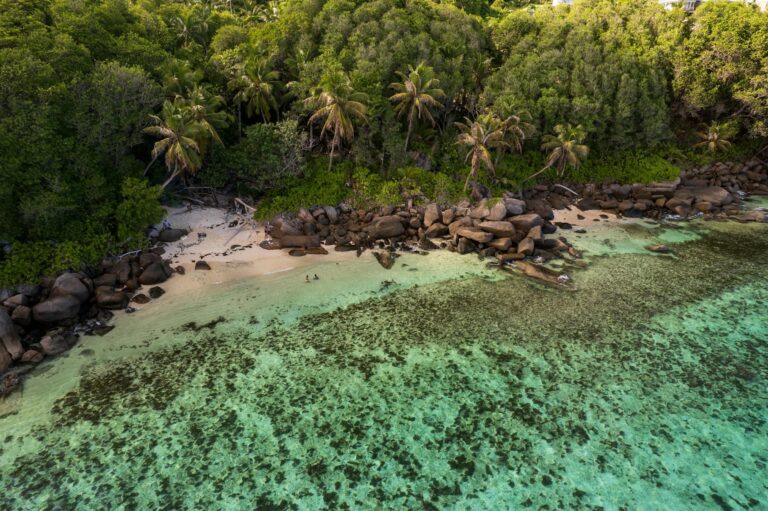
Madagascar is a treasure trove of biodiversity, often referred to as the “eighth continent” due to its unique ecosystems. This island is home to over 200,000 species of plants and animals, with around 90% of them found nowhere else on Earth. Imagine wandering through lush rainforests, where the air is filled with the sounds of chirping birds and the rustling of leaves, and you might catch a glimpse of the famous lemurs swinging from branch to branch. The iconic baobab trees, with their enormous trunks and surreal shapes, dot the landscape, creating a scene that feels almost otherworldly.
The rich cultural tapestry of Madagascar is woven from diverse ethnic groups, traditions, and languages, showcasing the island’s vibrant history and community life. With over 18 ethnic groups, each with its own unique customs and languages, Madagascar is a cultural mosaic that is as fascinating as its natural beauty. From the spirited Hiragasy performances that tell stories through dance and music to the intricate craftsmanship seen in local markets, the island pulsates with creativity and tradition. Have you ever tasted romazava, a traditional dish made with zebu meat and leafy greens? It’s a culinary experience that connects you to the heart of Malagasy culture.
Unique Biodiversity
Madagascar is often referred to as a living laboratory, and it’s easy to see why! This enchanting island is home to an astonishing variety of species that cannot be found anywhere else on the planet. Can you imagine a place where lemurs leap through the trees, and the iconic baobab trees stand tall like ancient sentinels? This unique biodiversity is not just a feast for the eyes; it plays a crucial role in the global ecosystem.
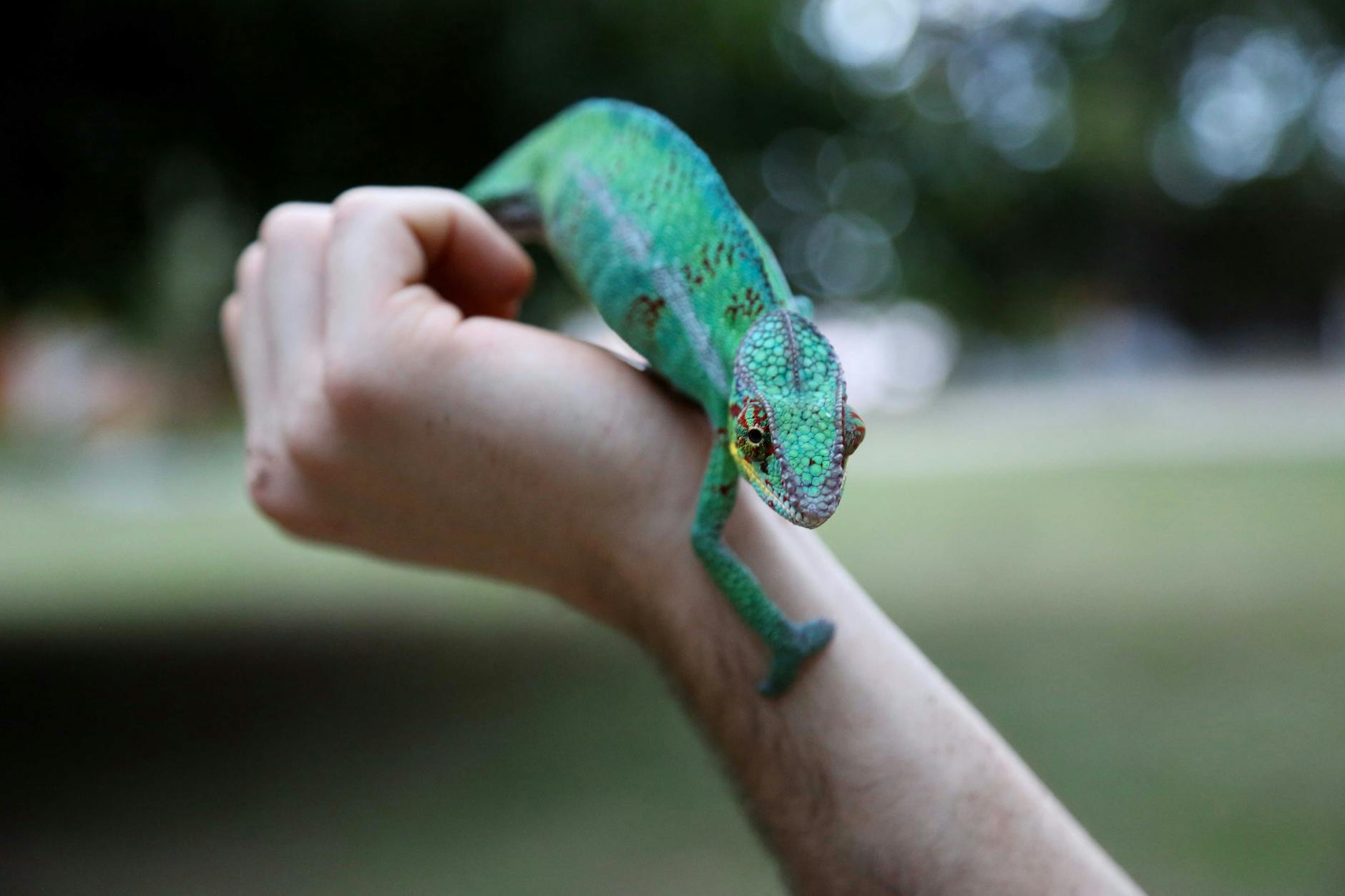
The island’s isolation has led to the evolution of countless endemic species, meaning they exist nowhere else in the world. For instance, Madagascar is home to over 100 species of lemurs, each with its own quirky traits and behaviours. These fascinating creatures are like the island’s living jewels, captivating researchers and tourists alike. Did you know that some lemurs can even leap up to 10 times their body length? That’s like you jumping across a football field!
Moreover, the diverse ecosystems found on this island range from lush rainforests to arid deserts, each supporting unique forms of life. The rainforests are teeming with vibrant flora and fauna, while the spiny forests boast an array of unusual plants adapted to the dry conditions. Here’s a quick look at some of the most notable endemic species:
| Species | Description |
|---|---|
| Lemurs | Small, primate-like mammals known for their large eyes and social behaviour. |
| Baobab Trees | Iconic trees with thick trunks that can store water, often referred to as the “tree of life.” |
| Fossa | A carnivorous mammal that resembles a small cougar and is the island’s top predator. |
In addition to these remarkable species, Madagascar’s unique biodiversity is crucial for conservation efforts. Many organisations are working tirelessly to protect these ecosystems, ensuring that future generations can experience the island’s wonders. Isn’t it fascinating to think about how much we still have to learn from this incredible place? The more we explore, the more we realise that Madagascar is not just an island; it’s a treasure trove of life waiting to be discovered!
Cultural Heritage
Madagascar’s is a vibrant tapestry woven from the threads of diverse ethnic groups, each contributing their unique traditions, languages, and customs. With over 18 ethnic groups, the island showcases a rich mosaic of cultures that have evolved over centuries, influenced by its history and geographical isolation. Can you imagine a place where the echoes of ancient rituals blend seamlessly with contemporary practices? That’s Madagascar for you!
One of the most fascinating aspects of Malagasy culture is its oral tradition. Stories, proverbs, and songs are passed down through generations, serving as a bridge between the past and the present. These narratives often reflect the island’s deep connection to nature, with many tales featuring the unique flora and fauna that call Madagascar home. For instance, lemurs are not just animals; they are woven into the very fabric of Malagasy folklore, symbolising both wisdom and mischief.
The island’s festivals are a testament to its rich cultural heritage. Events such as the Famadihana, or “turning of the bones,” highlight the Malagasy belief in the importance of ancestors. During this celebration, families gather to honour their deceased, rewrapping their remains in fresh shrouds, dancing, and sharing stories. It’s a striking example of how the Malagasy people maintain a profound connection with their lineage, reminding us that our roots shape who we are.
Moreover, the arts play a pivotal role in expressing the island’s cultural identity. Traditional music, dance, and crafts are not just pastimes; they are essential elements of community life. The intricate wood carvings and vibrant textiles produced by local artisans tell stories of their heritage, reflecting the island’s natural beauty and cultural significance. Have you ever seen a piece of art that resonates so deeply with your soul? That’s the power of Malagasy craftsmanship!
In conclusion, Madagascar’s cultural heritage is not merely a collection of traditions; it is a living, breathing entity that continues to evolve while honouring its roots. As you explore this enchanting island, you’ll find that its culture is as diverse and captivating as its landscapes, inviting you to delve deeper into its stories and celebrate its unique identity.