
Italy

This article explores the rich history, stunning landscapes, and vibrant culture of Italy, highlighting its significance as a top travel destination and its contributions to art, cuisine, and fashion.
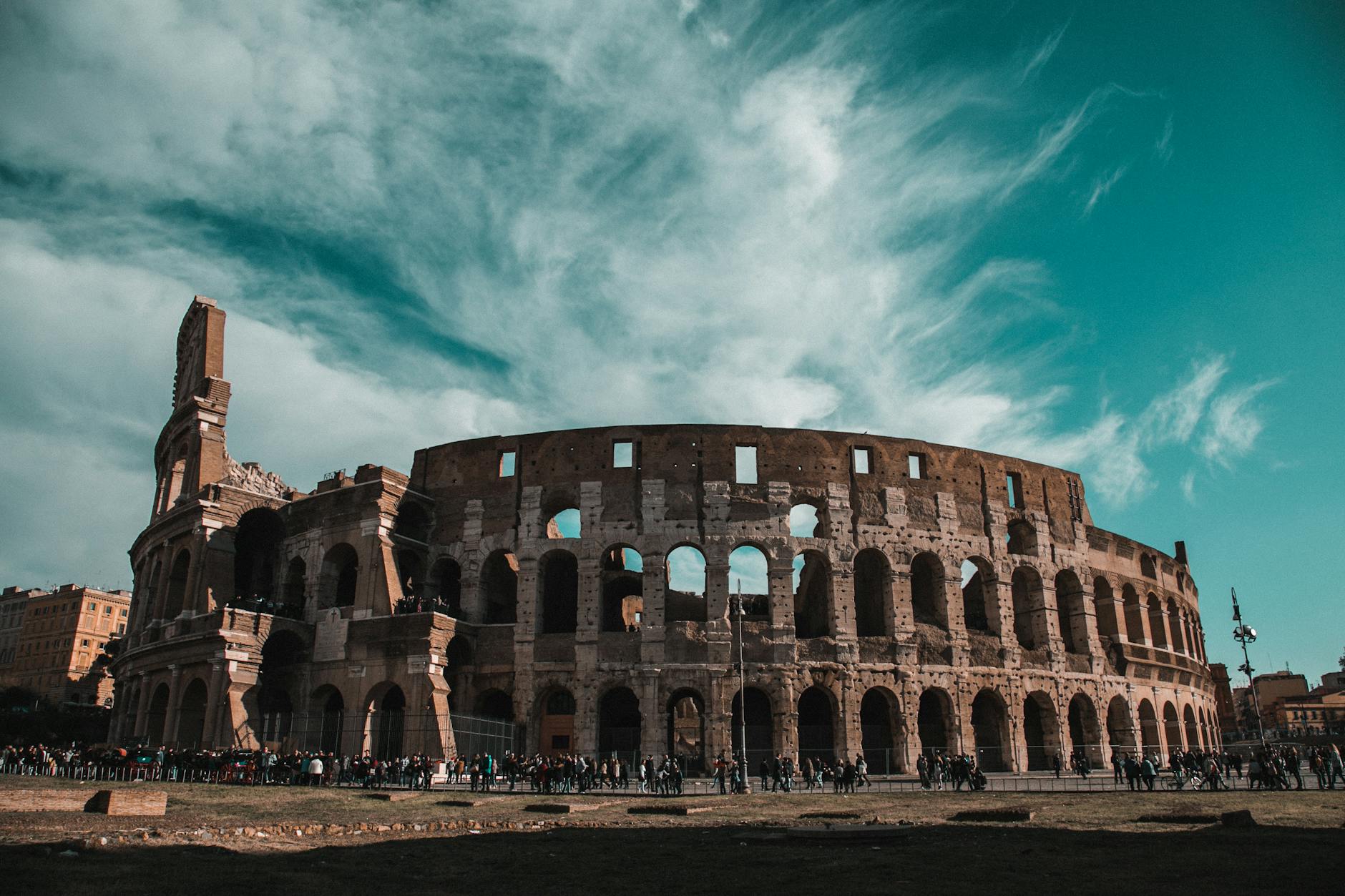
Italy is home to numerous historical landmarks that reflect its ancient past, including the Colosseum, the Leaning Tower of Pisa, and the ruins of Pompeii, each telling a unique story. The Colosseum, for instance, is not just a grand amphitheatre; it’s a symbol of the architectural prowess of the Romans. Imagine standing in its shadow, feeling the echoes of gladiators and the roar of ancient crowds. The Leaning Tower of Pisa, with its iconic tilt, is a testament to the beauty of imperfection, reminding us that even the most celebrated structures can have their quirks. Meanwhile, Pompeii offers a haunting glimpse into life before the catastrophic eruption of Mount Vesuvius, preserving a moment in time that captivates historians and tourists alike.
Italian cuisine is renowned worldwide, celebrated for its regional variations and flavours, from pasta and pizza to gelato and espresso, showcasing the country’s rich agricultural heritage and culinary traditions. Each dish tells a story, often passed down through generations. For example, the simplicity of a Margherita pizza, with its fresh basil, mozzarella, and tomatoes, embodies the essence of Italian cooking—fresh, quality ingredients combined to create something extraordinary. And let’s not forget about gelato! It’s not just dessert; it’s a creamy, dreamy experience that transports you to sun-soaked Italian streets with every delightful spoonful. Whether you’re savouring a rich ragu in Bologna or enjoying a seafood feast in Sicily, Italy’s culinary landscape is as diverse as its stunning scenery.
Historical Landmarks
This article explores the rich history, stunning landscapes, and vibrant culture of Italy, highlighting its significance as a top travel destination and its contributions to art, cuisine, and fashion.
Italy is a treasure trove of that whisper tales of yesteryears, captivating the hearts of millions who wander through its ancient streets. Imagine standing before the majestic Colosseum, where gladiators once fought for glory and survival; it’s not just a structure, it’s a portal to the past. Similarly, the Leaning Tower of Pisa isn’t merely an architectural anomaly; it’s a testament to human ingenuity and the quirks of construction that have stood the test of time. And let’s not forget the hauntingly beautiful ruins of Pompeii, where the echoes of a bustling Roman city lie preserved beneath layers of ash, inviting visitors to walk through time and witness the lives of those who lived there.
Each landmark tells a unique story, offering a glimpse into the rich tapestry of Italy’s cultural heritage. For instance, the Colosseum, built in 70-80 AD, could seat over 50,000 spectators and hosted not just gladiatorial contests but also public spectacles like mock sea battles. Meanwhile, the Leaning Tower, originally intended to stand vertically, now leans at a precarious angle, drawing curious minds eager to understand its fascinating history. Pompeii, on the other hand, serves as a poignant reminder of nature’s power, frozen in time since the catastrophic eruption of Mount Vesuvius in 79 AD.
To truly appreciate these landmarks, one must delve into their stories, which are as rich as the art and cuisine that Italy is famous for. Here’s a quick overview of these iconic sites:
| Landmark | Location | Year Built | Significance |
|---|---|---|---|
| Colosseum | Rome | 70-80 AD | Gladiatorial contests and public spectacles |
| Leaning Tower of Pisa | Pisa | 1173 AD | Architectural marvel and tourist attraction |
| Pompeii | Near Naples | Established 7th century BC | Preserved Roman city, archaeological significance |
In essence, every corner of Italy is steeped in history, waiting to be explored. So, whether you’re an avid history buff or just someone looking to soak in the beauty of the past, Italy’s landmarks offer an exhilarating journey that will leave you in awe.

Culinary Delights
This article explores the rich history, stunning landscapes, and vibrant culture of Italy, highlighting its significance as a top travel destination and its contributions to art, cuisine, and fashion.
Italian cuisine is not just food; it’s a celebration of life! Imagine walking through the bustling streets of Rome, the aroma of freshly baked pizza wafting through the air, making your mouth water. Every bite tells a story, deeply rooted in tradition and regional pride. From the sun-kissed tomatoes of Campania to the fragrant basil of Liguria, each ingredient is a testament to Italy’s rich agricultural heritage.
Whether you’re savouring a plate of al dente pasta or indulging in a creamy scoop of gelato, you’re experiencing a piece of Italy’s heart. The country is famous for its culinary diversity, showcasing regional variations that make every meal unique. For instance, did you know that in the north, you’ll find dishes rich in butter and cream, while the south embraces olive oil and fresh vegetables? This contrast is what makes Italian cuisine so fascinating!
Here are some iconic dishes that you simply can’t miss:
- Pizza Napoletana: Originating from Naples, this classic is known for its thin crust and simple toppings.
- Pasta alla Carbonara: A Roman specialty made with eggs, cheese, pancetta, and pepper.
- Tiramisu: This delightful dessert layers coffee-soaked ladyfingers with mascarpone cheese.
And let’s not forget about the Italian coffee culture. Espresso isn’t just a drink; it’s a way of life! Italians take their coffee seriously, often enjoying it standing at the bar, engaging in lively conversation. So, next time you sip an espresso, think of the rich traditions behind it.
In conclusion, Italian culinary delights are a feast for the senses. They invite you to explore, taste, and savour the essence of Italy. So pack your bags and prepare for a gastronomic adventure that you won’t soon forget!